



By 2023, Salt Lake City's engagement efforts had become fragmented. Teams were duplicating work, residents were being over-surveyed, and projects often followed different processes and standards across departments. Instead of immediately searching for a new platform, the city took a step back and looked inward first. What followed was a citywide effort to build shared standards, stronger collaboration, and a more connected approach to participation.
By 2023, Salt Lake City's engagement efforts had become fragmented. Staff were doing their best, but without shared standards, every team was reinventing the wheel. Valuable feedback lived in separate places, and teams often had limited visibility into what others were already doing. Internally, it created duplication and extra work. Externally, residents felt the effects too.
People could be invited into one engagement process that felt thoughtful and well-structured, then encounter another that looked entirely different a few weeks later. That small moment, repeated across countless interactions, quietly eroded trust between the city and the people it served.
"We were very siloed. Teams didn't know what other departments were working on. We ended up having a lot of duplicative projects, over-surveying our community, and not being able to follow up on the information we were receiving from our residents."
— Rachel Paulsen, Communications Specialist, Salt Lake City
The issue wasn't interest: teams across the city cared deeply about engaging residents and were already doing important work. What was missing was a shared approach. Salt Lake City realized it needed to strengthen the organization internally before asking residents to participate in a more meaningful way.
Rather than jumping straight to a platform, the city chose a different starting point: listening to its own staff first.
The goal wasn't simply to map who was doing engagement. The team wanted to understand how people were working, where processes were breaking down, and what support teams actually needed. The city launched a broad listening process that included surveys, interviews, and in-person conversations across departments.
What started with around 60 survey responses eventually expanded into conversations with more than 90 people involved in engagement work across the city.
Through those discussions, several patterns quickly became clear:
"Choosing an engagement platform was our vessel by which we could implement these strategies and these standards to help staff do better engagement and have more meaningful connections with our communities."
— Rachel Paulsen, Communications Specialist, Salt Lake City
The internal evaluation did more than surface problems, it built relationships. By involving staff early and showing that their feedback directly shaped decisions, the city created ownership long before introducing a new platform.
"Taking that time to really listen to them, I think, was the most impactful way for us to be able to implement it as smoothly as possible."
— Rachel Paulsen, Communications Specialist, Salt Lake City
As rollout approached, the team ran a second round of targeted needs assessments, asking specific questions: How do you envision your team using this platform? Who will be your main users? What would you need to feel confident? They met with team leaders directly, openly asked for their support, and created space for concerns to surface before they became blockers.
By the time shapeSLC launched, teams were already invested in its success. Alongside the platform, the city also created internal templates and staff-facing project resources to help teams follow shared standards and create stronger engagement plans.
Even when onboarding paused to adjust internal processes and standards, departments remained patient because they had been part of the journey from the beginning.

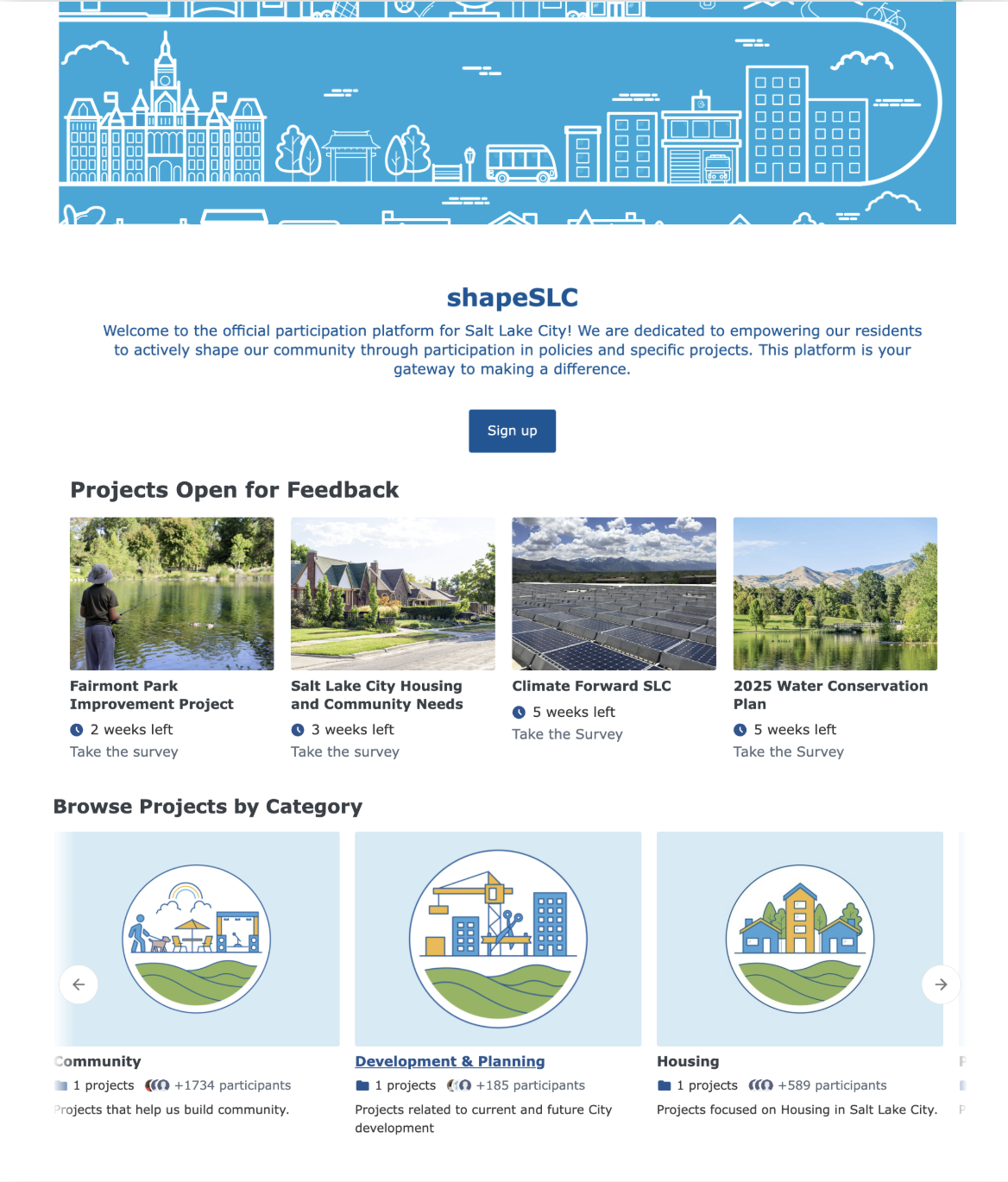
One structural decision stood out: rather than organizing projects on the platform by department, the team organized them by topics such as Parks, Trails & Nature, Housing, and Planning & Development. The logic was simple but powerful: residents don't think in departments. When they see a project, they think about their neighborhoods, their streets, and the issues affecting daily life.
"To them it doesn't matter which department it comes from. As soon as they see it from the city, they just think it's a city project."
— Rachel Paulsen, Communications Specialist, Salt Lake City
This shift required more coordination on the back end, since some departments appeared across multiple categories, but it created a more coherent experience externally.
Alongside the platform rollout, Salt Lake City created ongoing communities of practice where communications specialists, engagement professionals, and social media teams could regularly exchange ideas and learn from each other.
These monthly meetings became more than training sessions, they became part of the city's engagement infrastructure.
Salt Lake City is still early in its journey, but the changes are already visible.
The city has already published more than 25 projects on shapeSLC, covering topics ranging from climate initiatives and transportation to public art and neighborhood improvements. In its first year, the platform reached over 10% of the city's population.
More than 60 staff members have been onboarded so far, with additional teams continuing to join. Rather than waiting for support, teams are now proactively approaching the engagement team to bring new projects onto the platform.
shapeSLC is now more than a digital tool. It has become a shared standard that helps teams work independently while maintaining a consistent experience for residents.
By bringing engagement activity into one place, teams can now connect insights that previously lived across separate systems and processes.
"Now when we talk about our platform, it's pretty well known what it is, and now we have teams actively coming to us saying we're ready to put this project into the platform."
— Rachel Paulsen, Communications Specialist, Salt Lake City
Rachel and the Salt Lake City team have a clear message for other cities considering this journey.
Launching a platform to immediately engage residents is tempting. But if internal processes are fragmented, residents will eventually feel it too. Salt Lake City invested months in building alignment before launching publicly, which created stronger buy-in and a smoother rollout.
The listening process wasn't just a way to gather information. It demonstrated what meaningful engagement looks like and built trust internally. When staff saw that their feedback had directly shaped the city's decisions, they became advocates for the change.
Don't rely on every team to reinvent the process. Salt Lake City created internal templates and staff-facing project resources to guide teams through engagement planning and establish shared standards. Giving teams a starting point reduced uncertainty and made it easier to create more consistent experiences across projects.
Don't wait for resistance to emerge. Meet with team leaders, ask for their support openly, and invite concerns before the rollout begins. Addressing doubts early is far easier than rebuilding trust later.
People rarely think in terms of departments. Structuring projects around topics and experiences creates a simpler and more intuitive experience.
Salt Lake City's platform isn't perfect yet. They're the first to say so. But progress has been steady, and the momentum is real. Getting started, even imperfectly, is more valuable than waiting for conditions that never quite arrive.
Salt Lake City set out to improve participation, but the first change happened internally.
What started as a review of disconnected processes became a broader shift in how teams collaborate, share knowledge, and engage residents. The platform became part of that journey, but the foundation was built long before the first project went live.
Sometimes the most important participation work starts before residents are ever invited in.


Diana is the Content Marketing Specialist at Go Vocal
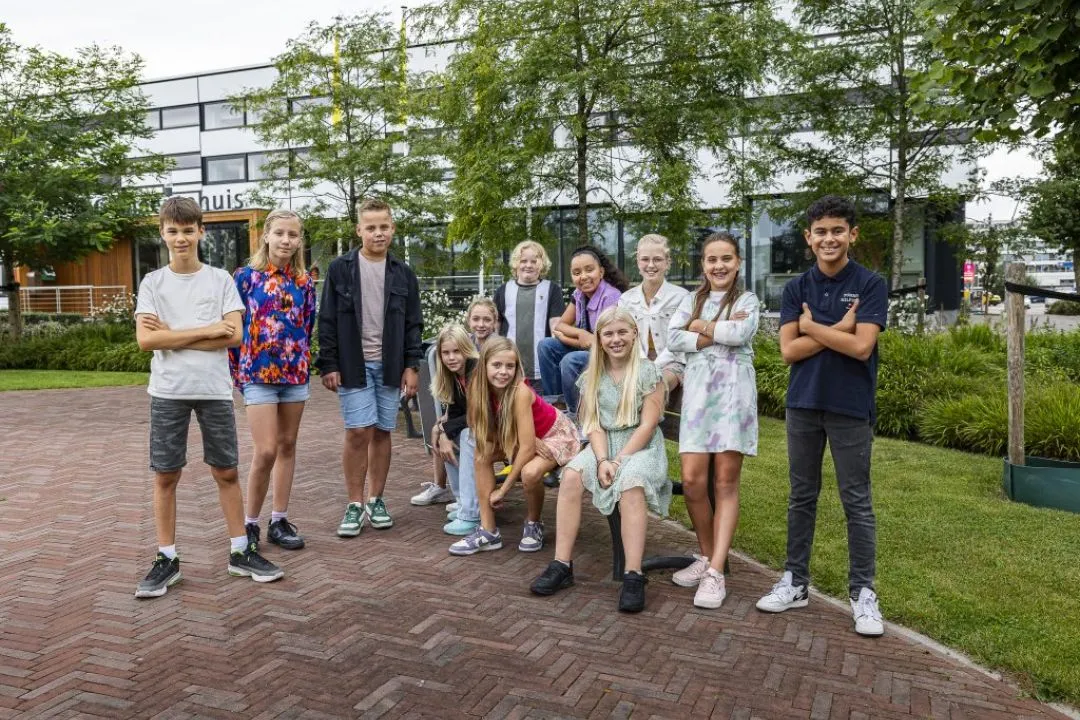

The South Holland city of Waddinxveen is the fastest-growing city in the Netherlands and today counts nearly 35,000 residents. 30% of them are under 25, and by 2050 that share will reach 40%. This demographic trend raised a pressing question for the city: how do you involve even the youngest residents in decisions about the future? Esther van Ellinkhuizen, staff member for cabinet affairs and child participation, explains how she does it.
%2520copy.webp)

In Rijswijk, a municipality of around 57,000 residents in South Holland, lies a place with a remarkable history. At Hof van Sion, archaeologists discovered the remains of a monastery dating back to the 15th and 16th centuries. Today, Hof van Sion is part of RijswijkBuiten, a sustainable new neighborhood. When the municipality decided to create a new community meeting place there, it asked residents what they wanted to see. They shared their ideas online using an interactive map.
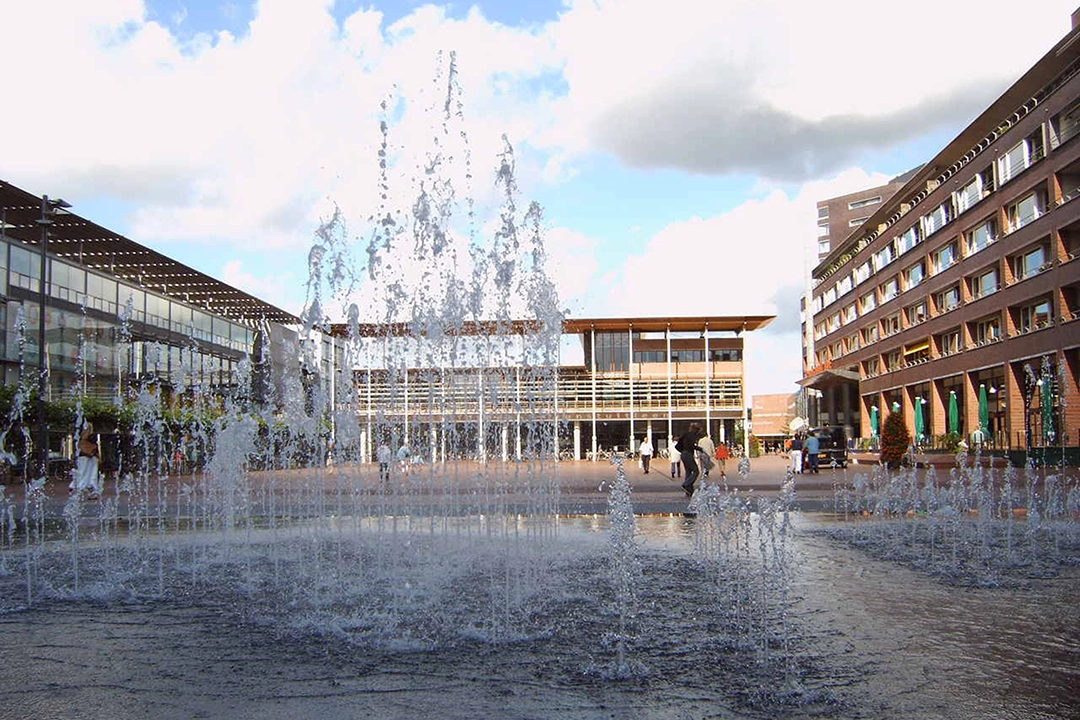
Located just outside Amsterdam, Amstelveen is working with residents to create a greener, more welcoming, and more inclusive city. Through its online participation platform, residents can help shape long-term plans for the city, contribute to the design of new neighborhoods, and share ideas for smaller improvements that can make a visible difference in everyday life.

