

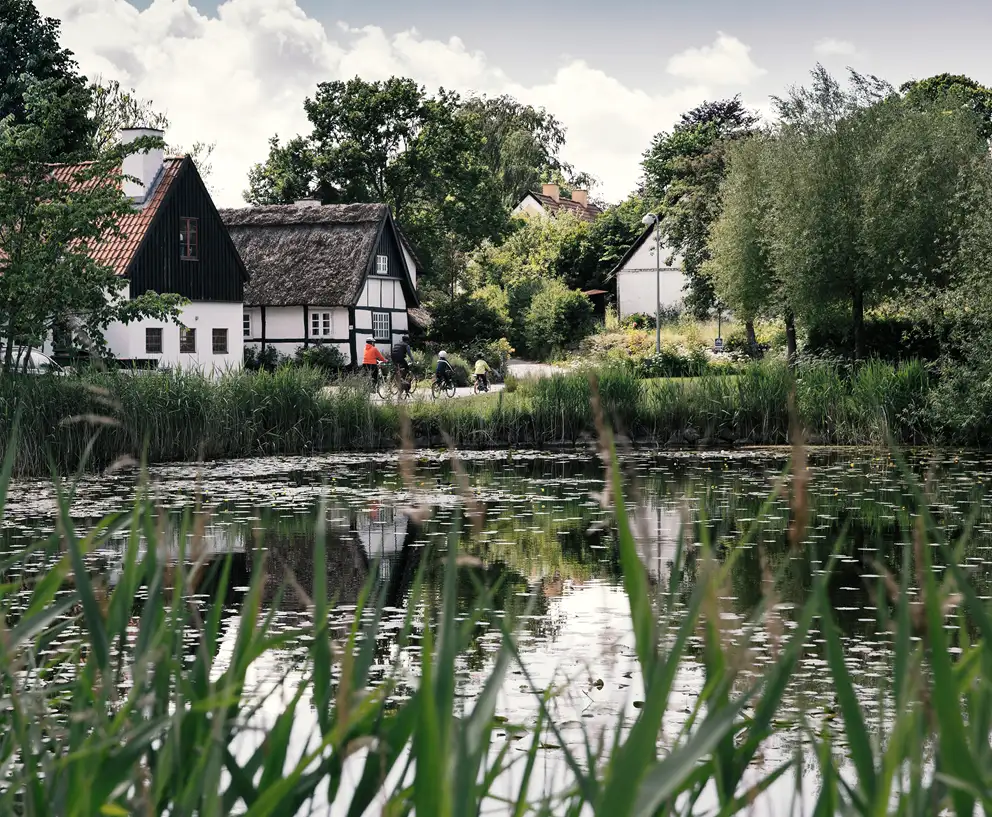

Using Go Vocal’s digital engagement platform and AI-powered analysis tool, Lejre created a hybrid participation process that residents could join from anywhere, at any time.
Lejre Municipality reached 1 in 7 residents through a combination of physical meetings and online participation via Go Vocal’s platform, creating an inclusive environment for civic engagement.
Go Vocal’s Sensemaking AI streamlined feedback analysis, allowing planners to focus on key community concerns rather than sorting through data.
Lejre used a hybrid model, combining digital and in-person engagement to ensure all residents had a voice in municipal planning.
The Danish municipality of Lejre is known for its vibrant rural communities, which span 49 villages. Despite its charm, reaching all 30,000 residents for civic engagement has always been a challenge – especially for people with busy schedules, young children, or long travel distances.
The municipality sought a solution that could bridge this gap, particularly for those who found it difficult to attend physical town meetings due to time constraints or geographical barriers. The answer came through Go Vocal’s engagement platform and analysis tools.
“Go Vocal has been very well received by citizens because not only can they log in and write what they think and send a message to us in the municipal council, but they can also explore opinions from residents in other parts of the municipality. I think that's very valuable, because as a politician it can be difficult to convey that there are many different wishes for how we should develop our municipality.” — Tina Mandrup, Mayor of Lejre Municipality
Incorporating both in-person meetings and digital engagement, Lejre Municipality was able to create an inclusive environment where residents could contribute their views on the Municipal Plan. Through Go Vocal, residents from all corners of the municipality were empowered to express their opinions at their convenience, even from the comfort of their homes.
“Now they can sit at home on the sofa in the evening,” says Mayor Mandrup, “after putting their kids to bed, and write what they think, and tell politicians how they think our municipality should develop.”
Christian Weber Juncker, an urban planner at Lejre Municipality, noted that one of the biggest hurdles they faced was how to engage residents in a way that felt relevant to their daily lives. The municipal plan, which covers wide-ranging issues, might have felt distant for many residents. However, by breaking down the plan into smaller, localized sections – each tailored to specific areas – engagement became more accessible.
The impact of this localized approach was evident: One in seven residents participated in the online discussions. For a municipality of Lejre’s breadth, this was a remarkable achievement, with residents feeling more connected to the decisions affecting their communities. This success was made possible by Go Vocal’s AI-powered analysis tool, Sensemaking, which helped to streamline the process of categorizing and analyzing resident feedback.
As Christian shared, “Sensemaking has changed our way of working with resident input. Instead of spending our time getting an overview, we can instead spend our time relating to the input itself – the problems and challenges that the residents raise.” The AI-powered tool provided summaries and categorized the vast amount of data, allowing the planning team to focus on the most pressing concerns and engage with residents about them more effectively.
Using Go Vocal’s AI analysis tool Sensemaking, Lejre Municipality drastically reduced the time spent processing resident input. Christian emphasized how valuable the tool was for summarizing the massive amounts of feedback they received, allowing planners to focus on the core issues rather than manually sorting through individual responses. In just seconds, Sensemaking categorizes and identifies the key points from hundreds of submissions, providing actionable insights that can be directly used for decision-making.
“Sensemaking could take 100 inputs, identify the key points, and then we could very easily move them into the political material for presenting to the council,” says Christian. “I believe that has both saved us a lot of resources, but also made that part of the process better.”
This change has allowed the council to engage with the community in a more meaningful way—focusing on the actual issues raised, instead of spending time on administrative tasks.
By combining hyper-local content with flexible online participation, Lejre achieved:
For Lejre Municipality, Go Vocal proved to be the perfect solution for enhancing civic engagement. The combination of localized engagement and the power of AI to streamline processes created an efficient and participatory environment. This allowed the municipality to strengthen its relationship with residents, ensuring that everyone had the chance to be part of shaping the future of their community.
Christian’s advice to his fellow urban planners is clear: "You should definitely use AI for parts of the administrative work in the municipality," he said. “There is a great opportunity to summarize and categorize the input. But of course, one of our main goals is to always make sure we’re relating to the participants at a high level, and ensure that they feel they have been heard by real humans and people that can relate to their problems.”
By automating data processing, the Go Vocal platform allows municipal teams to spend more time on meaningful interactions with citizens, ultimately fostering stronger community relationships.
As Lejre’s success demonstrates, when municipalities combine smart technology with thoughtful engagement strategies, they not only make planning more efficient but also empower their citizens to play a central role in shaping their future. With Go Vocal, Lejre Municipality has set a new standard for inclusive, effective citizen engagement.


Vanessa's passionate about writing and weaving stories bringing together migration, community, and belonging. Currently you can find her in Berlin, playing around with Alt Text as Poetry.
Vanessa Ellingham is a communications professional with experience in grassroots community organizing, particularly with migrant communities. In 2016 she was part of a team that won the UNAOC Intercultural Innovation Award for this work.
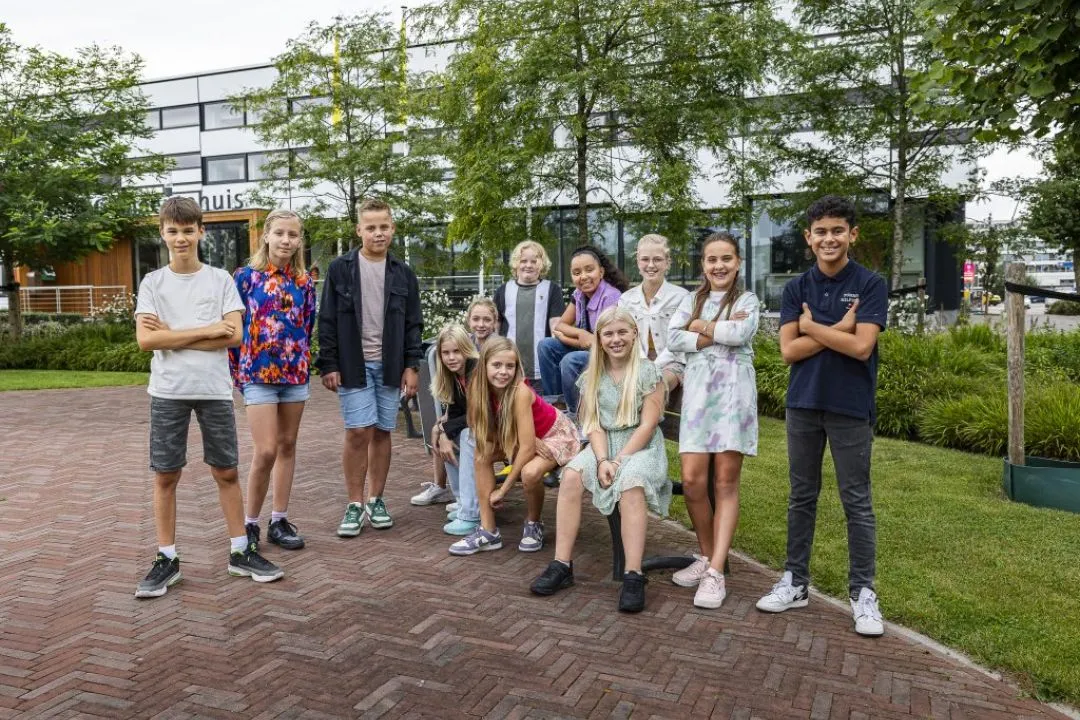

The South Holland city of Waddinxveen is the fastest-growing city in the Netherlands and today counts nearly 35,000 residents. 30% of them are under 25, and by 2050 that share will reach 40%. This demographic trend raised a pressing question for the city: how do you involve even the youngest residents in decisions about the future? Esther van Ellinkhuizen, staff member for cabinet affairs and child participation, explains how she does it.
%2520copy.webp)

In Rijswijk, a municipality of around 57,000 residents in South Holland, lies a place with a remarkable history. At Hof van Sion, archaeologists discovered the remains of a monastery dating back to the 15th and 16th centuries. Today, Hof van Sion is part of RijswijkBuiten, a sustainable new neighborhood. When the municipality decided to create a new community meeting place there, it asked residents what they wanted to see. They shared their ideas online using an interactive map.
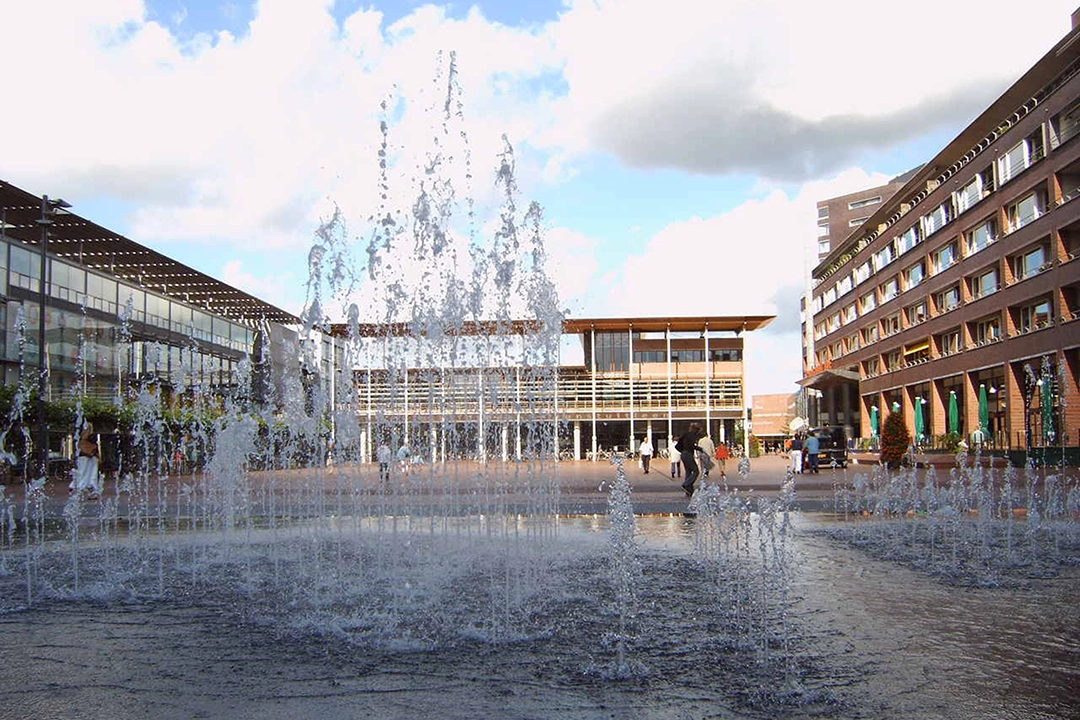
Located just outside Amsterdam, Amstelveen is working with residents to create a greener, more welcoming, and more inclusive city. Through its online participation platform, residents can help shape long-term plans for the city, contribute to the design of new neighborhoods, and share ideas for smaller improvements that can make a visible difference in everyday life.

