


11,500+ participants. 100+ projects. Amstelveen and Aalsmeer transformed the way they work—from fragmented town hall meetings and scattered tools to one central platform where residents share ideas, feel involved, and help shape policy. With Go Vocal, they built a strong, scalable participation culture.
More than 11,500 residents actively participate, providing a broader and more nuanced understanding of what truly matters in both municipalities.
Thanks to AI analysis, hundreds of responses are automatically grouped and processed. What used to take days now happens in a fraction of the time.
Residents engage in thoughtful and respectful discussions. They can also clearly see what happens with their input, strengthening trust in public decision-making.
Before introducing the platform, participation in both municipalities mainly took place through physical meetings, often tied to construction projects or public space redesigns. While valuable, these moments didn’t reach everyone. The same residents often returned, while other groups remained underrepresented. At the same time, digital initiatives did exist—but were scattered across teams, explains senior participation advisor Sharon Snoek.
“The research and statistics department occasionally ran surveys, colleagues used their own tools like Typeform or SurveyMonkey, and some consultations were hidden on web pages or in PDF documents. As a result, it wasn’t always clear to residents where they could share their opinion. We needed a different approach to involve more people (especially the "silent majority"), to organize participation more clearly, and to better show what happens with their input.”
The solution was a digital participation platform that could serve as a central space for all projects. It needed to solve several challenges at once:
Privacy also played an important role in selecting the platform. After a thorough comparison, Go Vocal emerged as the best option.
“Go Vocal offered exactly what our municipalities were looking for: a user-friendly environment for both colleagues and residents, with a variety of online participation methods that help structure participation processes.”
Since launching the platform, participation has steadily increased. “In Amstelveen, around 1,000 users registered within the first year. Today, that number exceeds 9,500. In total, more than 11,500 residents have participated, out of a population of roughly 95,000–100,000. That’s a broad reach.”
In Aalsmeer (around 30,000 residents), participation is even higher: about 8,000 residents have already taken part in projects. But it’s not just about numbers: “What also stands out is the quality of dialogue. Discussions are remarkably respectful and constructive. That makes it easier—for both colleagues and residents—to engage in meaningful conversations.”
“We notice that residents respond more thoughtfully to each other’s ideas on the Go Vocal platform than on social media. Instead of quick reactions, more in-depth and constructive dialogue emerges.”
While digital participation plays a key role, both municipalities continue to invest in physical engagement. “The platform makes it easier to connect online and offline participation,” Sharon explains.
“For example, in a project about water playgrounds, we saw that this topic wasn’t top of mind for some residents—especially in neighborhoods with more social housing. They often have very different priorities. The platform allows us to go directly to these communities, talk to parents and children on-site, and still bring all that input back into the platform.” All offline input is later added to the platform, where it is combined with online contributions for analysis.
This functionality was something Sharon had explicitly requested, and it was developed during the collaboration: “I really feel that Go Vocal listens to product feedback. Ideas from municipalities don’t just disappear—they actually get implemented.”
The platform also changed how teams work internally. Large participation projects can generate hundreds or even thousands of responses. Processing them manually is time-consuming. That’s why the team increasingly relies on AI analysis tools within Go Vocal.
“For many colleagues, this was a breakthrough. AI helps us cluster open responses, identify themes, and quickly get an overview of key insights. What used to take days or even weeks is now done in a fraction of the time with clear reporting to both city councils and residents."
“Reporting used to be done in different ways. Now we follow a more structured approach with clear documentation. This also improves trust—when residents see what happens with their input and how decisions are made, confidence in the process grows.”
The introduction of the platform didn’t just change participation for residents—it also transformed the internal culture. To strengthen adoption, Sharon and her team created the “Participation Garage,” a space within the platform where colleagues can find guidance and examples.
“We actively engage with colleagues to show what participation can mean for their projects—through one-on-one conversations, project evaluations, and sharing real-life examples.”
“You see that colleagues become more enthusiastic once they understand the value of participation. The Go Vocal platform helps make participation part of everyday work—a real shift in mindset where participation becomes structurally embedded in the organization.”
Initially, participation focused mainly on spatial projects—like neighborhood design, public art, or playgrounds. “These are topics residents can easily relate to and often have strong opinions about,” says Sharon. Now, both municipalities are experimenting with participation in less tangible policy areas.
“This is not always easy. Some policy topics are more abstract, making it harder for residents to engage. But we continue to explore ways to involve them.” One example is the exploration of a housing panel—a group of residents who regularly provide feedback on housing policy and development.
Amstelveen and Aalsmeer work closely with the Go Vocal team. According to Sharon, their Government Success Manager plays a key role: “The support goes beyond answering technical questions. The team helps with strategic decisions and shares examples from other municipalities.”
She also frequently uses the platform’s Inspiration Hub to explore projects from other cities and gather ideas.
After several years, both municipalities look back positively on their journey.
What started as a search for more structure has evolved into a broader transformation in how residents are involved in policymaking. Today, thousands of residents participate, discussions are constructive, and policymakers gain clearer insights from community input.
“Participation is not just about collecting opinions. It’s about making better decisions together with residents. The platform helps make that process more accessible, transparent, and effective—and that’s incredibly valuable.”
Interested in bringing community engagement at scale to your community? Let's talk about how Go Vocal can help


Sören is a fervent tech enthusiast with a profound interest in politics and democratic innovation.He aims to share stories that inspire and drive impactful community engagement.
Sören Fillet is Go-to-Market Lead at Go Vocal and holds a master’s degree in public sector communications.
With 5+ years of experience in GovTech, Sören has developed a nuanced perspective on the challenges and best practices in democratic participation. He actively collaborates with experts in the field to organize industry events and stay at the forefront of trends and innovation.
In addition, Sören obtained a certificate from Innovation in Politics, further solidifying his expertise in innovative governance.
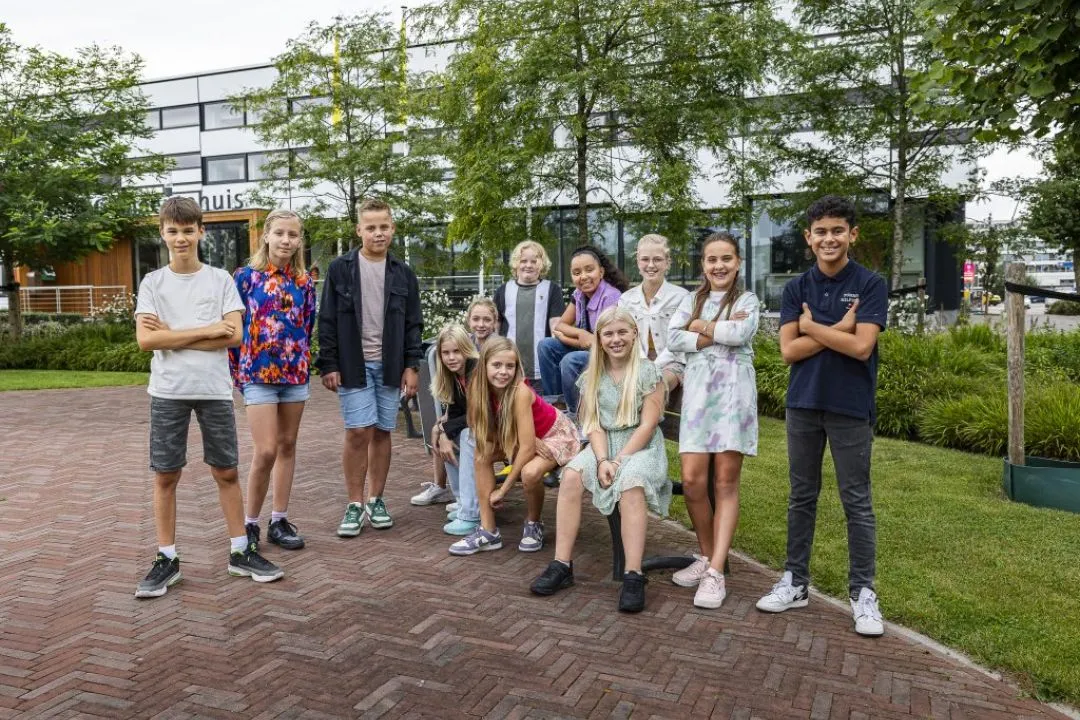
The South Holland city of Waddinxveen is the fastest-growing city in the Netherlands and today counts nearly 35,000 residents. 30% of them are under 25, and by 2050 that share will reach 40%. This demographic trend raised a pressing question for the city: how do you involve even the youngest residents in decisions about the future? Esther van Ellinkhuizen, staff member for cabinet affairs and child participation, explains how she does it.
%2520copy.webp)

In Rijswijk, a municipality of around 57,000 residents in South Holland, lies a place with a remarkable history. At Hof van Sion, archaeologists discovered the remains of a monastery dating back to the 15th and 16th centuries. Today, Hof van Sion is part of RijswijkBuiten, a sustainable new neighborhood. When the municipality decided to create a new community meeting place there, it asked residents what they wanted to see. They shared their ideas online using an interactive map.
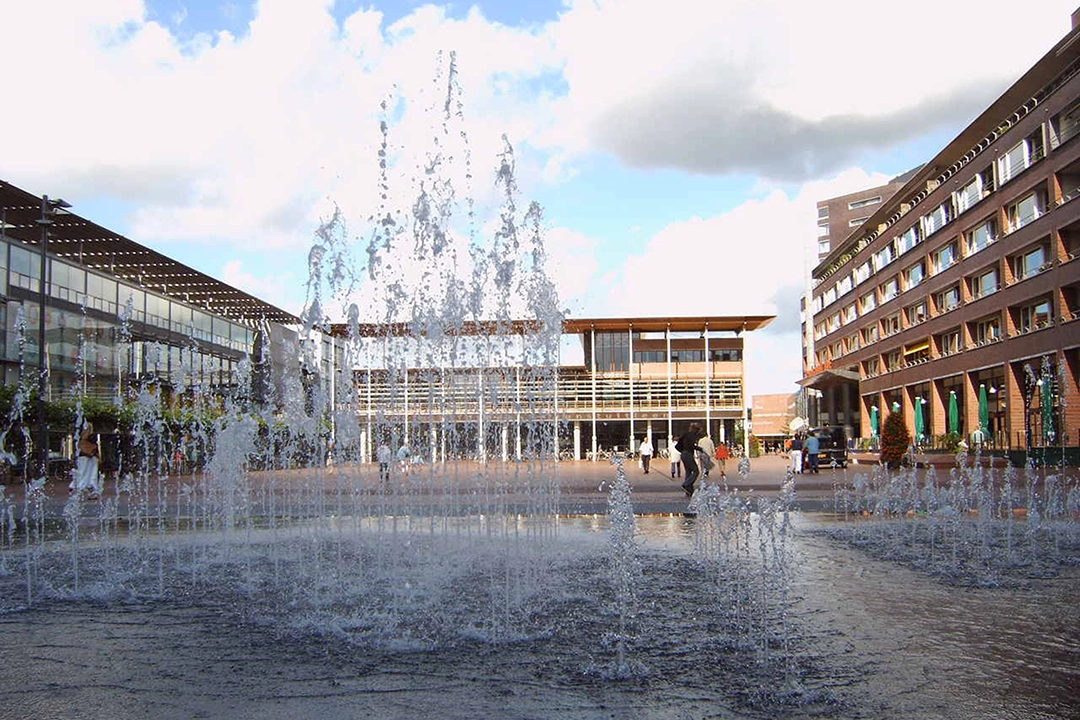
Located just outside Amsterdam, Amstelveen is working with residents to create a greener, more welcoming, and more inclusive city. Through its online participation platform, residents can help shape long-term plans for the city, contribute to the design of new neighborhoods, and share ideas for smaller improvements that can make a visible difference in everyday life.

