%2520copy.webp)

In Rijswijk, a municipality of around 57,000 residents in South Holland, lies a place with a remarkable history. At Hof van Sion, archaeologists discovered the remains of a monastery dating back to the 15th and 16th centuries. Today, Hof van Sion is part of RijswijkBuiten, a sustainable new neighborhood. When the municipality decided to create a new community meeting place there, it asked residents what they wanted to see. They shared their ideas online using an interactive map.
Residents shared location-specific suggestions for the new meeting place.
Landscape architects turned residents’ ideas and priorities into two possible plans.
The community contributed ideas, commented on designs, voted for a favorite, and helped choose the final details.
Different residents often have very different needs, and sometimes those needs conflict. How do you create a neighborhood space where everyone can feel at home? Rijswijk used its Go Vocal-powered participation platform to find out.
The first draft design for Hof van Sion was created in 2017. By 2021, many new residents had moved into the neighborhood, so Rijswijk decided it was time to revisit the plans.
Residents were invited to submit new ideas through an interactive map on the municipality’s Go Vocal platform. By placing a pin, they could show exactly where in the area their suggestion applied. The visual format made it easy for residents to connect ideas to specific places, but it also revealed different and sometimes conflicting priorities.
Some residents wanted a skatepark. Others felt that it would not suit the green, historic character of the site. One person suggested adding a dog-waste bin, while another wanted dogs banned from the area altogether.
In total, residents added 75 ideas to the map, more than could realistically fit into one neighborhood meeting place.

To take the conversation further, the municipality formed an in-person working group made up of nearby residents and local community organizations. The group explored different themes, including sports and play, greenery, and sustainable development. This helped bring a wide range of community needs and priorities into the discussion.
Landscape architects then used the results of the online map and the working-group sessions to develop two draft designs.
The plans reflected residents’ wishes and feedback while also accounting for the available resources and technical possibilities.
The two final designs were named "Hof van herinneringen" (Courtyard of Memories) and "Hof van ontmoeting" (Courtyard of Connection). Residents could comment on each individual element within the designs.
The plan for a pétanque court in "Hof van herinneringen," for example, stirred up a lot of reaction. Some residents were fully on board, others felt it wasn't needed since the old court had barely been used anyway. Seeing the mixed responses, the city decided to leave the court out of the design for now. That's how discussion and participation led to concrete results.
In the next round, residents voted for their favorite design, and later on additional options to further refine it. "Hof van herinneringen" won by a clear margin, with 73 votes against 15 for the other design.

A few final details still needed to be decided.
During the design phase, the municipality had received different views on three topics. Some residents wanted more play areas, greenery, or historical elements, while others wanted fewer. Rijswijk therefore organized an additional voting round on several optional features. The results helped the municipality complete the final design.
The municipality could then move forward with implementation, taking the different needs and preferences into account and finding the best place for each of the selected features.
Rijswijk’s participation process for Hof van Sion was a success not only because it generated a high number of responses, but also because the conversations on the project page revealed the different needs and concerns within the neighborhood.
The project showed how residents can be involved from the earliest ideas through to the final design. By asking for input at several stages, the municipality gave people a meaningful role throughout the process rather than inviting them to respond only once.
The combination of online and in-person participation was another important strength. The interactive maps also made the project highly visual and easy to understand, creating an accessible and engaging way for different residents to take part.


Sören is a fervent tech enthusiast with a profound interest in politics and democratic innovation.He aims to share stories that inspire and drive impactful community engagement.
Sören Fillet is Go-to-Market Lead at Go Vocal and holds a master’s degree in public sector communications.
With 5+ years of experience in GovTech, Sören has developed a nuanced perspective on the challenges and best practices in democratic participation. He actively collaborates with experts in the field to organize industry events and stay at the forefront of trends and innovation.
In addition, Sören obtained a certificate from Innovation in Politics, further solidifying his expertise in innovative governance.
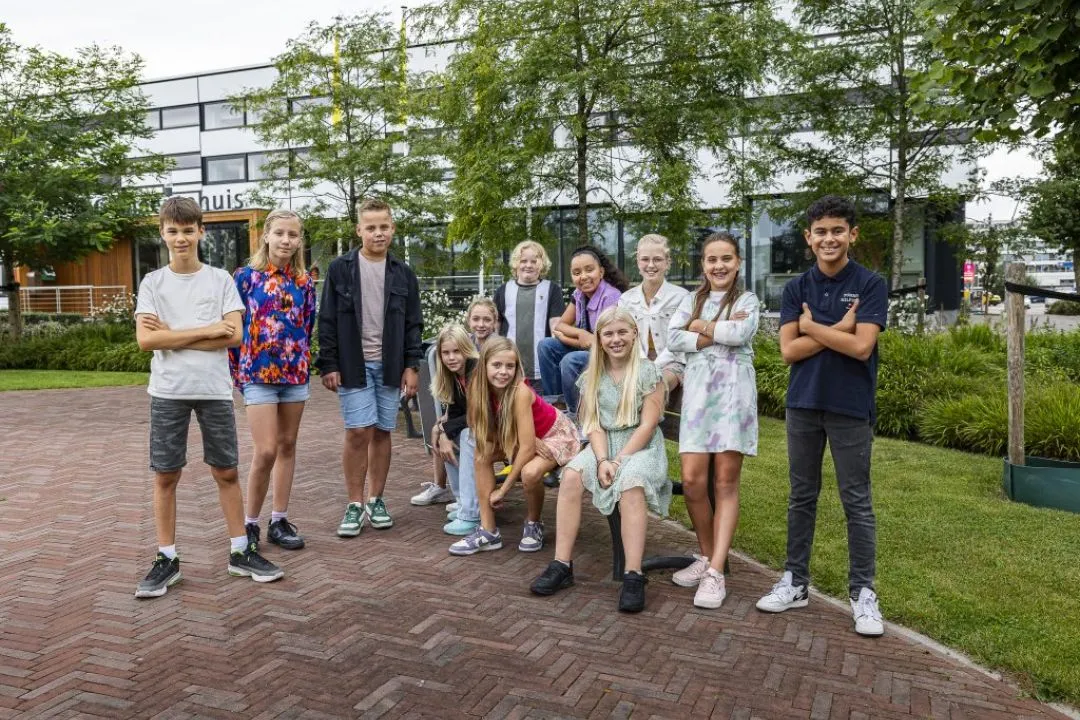

The South Holland city of Waddinxveen is the fastest-growing city in the Netherlands and today counts nearly 35,000 residents. 30% of them are under 25, and by 2050 that share will reach 40%. This demographic trend raised a pressing question for the city: how do you involve even the youngest residents in decisions about the future? Esther van Ellinkhuizen, staff member for cabinet affairs and child participation, explains how she does it.

In Rijswijk, a municipality of around 57,000 residents in South Holland, lies a place with a remarkable history. At Hof van Sion, archaeologists discovered the remains of a monastery dating back to the 15th and 16th centuries. Today, Hof van Sion is part of RijswijkBuiten, a sustainable new neighborhood. When the municipality decided to create a new community meeting place there, it asked residents what they wanted to see. They shared their ideas online using an interactive map.
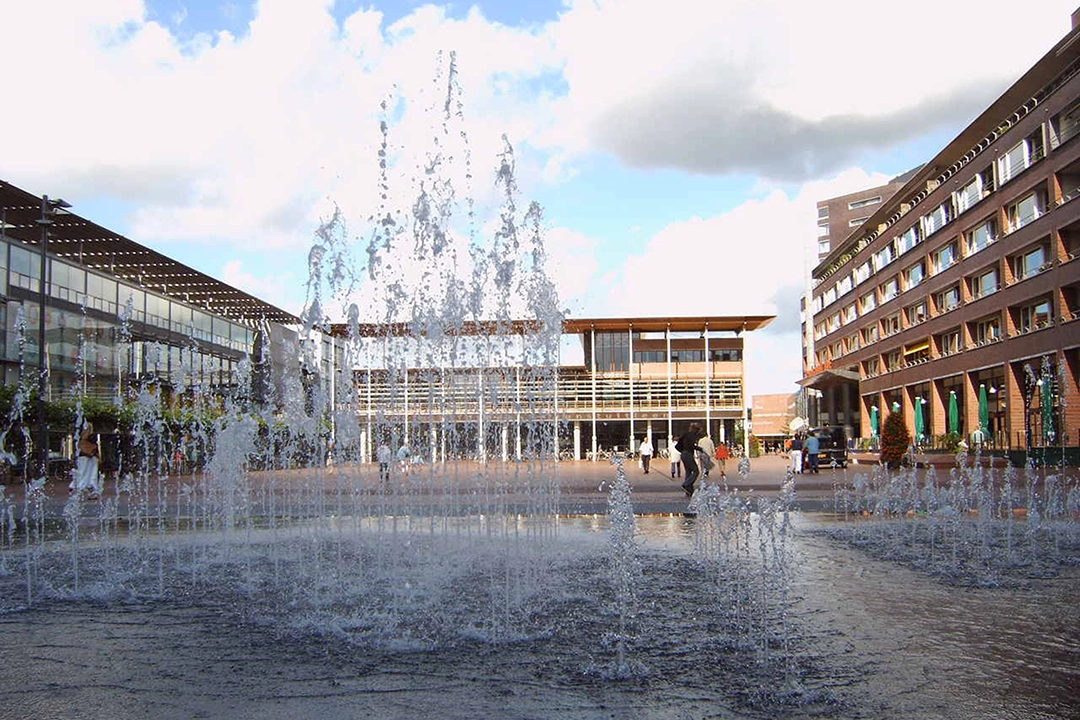
Located just outside Amsterdam, Amstelveen is working with residents to create a greener, more welcoming, and more inclusive city. Through its online participation platform, residents can help shape long-term plans for the city, contribute to the design of new neighborhoods, and share ideas for smaller improvements that can make a visible difference in everyday life.