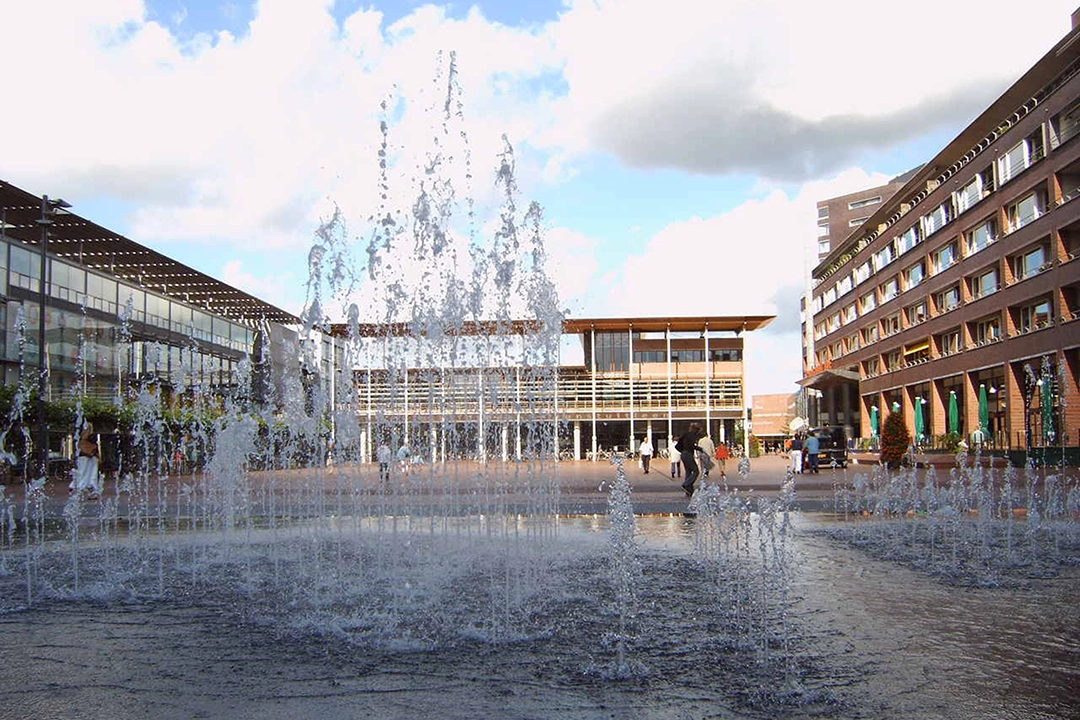

Located just outside Amsterdam, Amstelveen is working with residents to create a greener, more welcoming, and more inclusive city. Through its online participation platform, residents can help shape long-term plans for the city, contribute to the design of new neighborhoods, and share ideas for smaller improvements that can make a visible difference in everyday life.
A growing community of participants joined the platform.
Residents contributed ideas across a range of local projects.
People supported their favorite ideas and joined conversations with neighbors.
Amstelveen uses its participation platform for a wide range of projects.
Residents are invited to imagine the city’s future, discuss ideas with one another, and share what they believe Amstelveen should look like in the years ahead. They can also suggest smaller improvements to public spaces, ask questions, and contribute to projects already taking shape.
By combining long-term planning with more immediate, local initiatives, the municipality creates more opportunities for residents and stakeholders to help build a city where everyone feels at home.
Dutch municipalities are required to prepare an Environmental Vision that sets out their long-term approach to the physical environment.
The vision brings together major spatial challenges and strategic choices around topics such as sustainable development, the energy transition, housing, neighborhoods, public space, and parks.
In May 2021, Amstelveen invited residents, local organizations, and businesses to help shape its vision for the future.
What was already working well? What needed to change? And which issues should the municipality prioritize over the coming years?

The central question was simple: What should Amstelveen look like in 2040?
Residents could share views on sustainable development, mobility and accessibility, the economy, sports and recreation, and other aspects of life in the city.
People could take part online through the participation platform, but the municipality also provided an offline option. A mobile video booth, known as the Babbelbox, visited different locations across Amstelveen. Residents could step inside and record a short video message with their ideas for the future.
Contributions from both the platform and the video booth were considered as the municipality developed its Environmental Vision.
Online and offline engagement each offer different advantages. Face-to-face formats can feel more personal and may work particularly well for people who are less comfortable participating digitally. Online engagement offers flexibility, allowing people to contribute when and where it suits them.
By combining the two, Amstelveen was able to make the project accessible to a broader range of residents.
The Environmental Vision looks toward Amstelveen’s long-term future, but the municipality also wanted residents to help improve the city in the present. That is why greening projects have a prominent place on the participation platform.
Amstelveen was already taking steps to make the city greener and healthier. The municipality regularly explored where more greenery could be added and, in the fall of 2019, planted almost half a million flower bulbs across the city.
To gather more ideas, it also invited residents to suggest smaller ways to improve and green public spaces. Could an unused space become a community garden? Would an insect hotel work well in a local park? Should the city create a butterfly garden or a small urban forest?
Residents could post ideas, place them on a map, discuss them with neighbors, and support the suggestions they liked most. The ideas did more than inspire possible projects. They also started useful conversations about how public spaces are already used.
One resident suggested transforming a local grassy area into a community garden. Other residents pointed out that the same field was a popular play area for neighborhood children. One parent even posted a response written by their 11-year-old child.
The conversation gave the municipality a fuller picture of the different needs connected to the space and showed why even small local decisions can benefit from hearing several perspectives.
Alongside collecting ideas through the platform, Amstelveen provides practical and financial support for residents who want to make their own surroundings greener. Green roofs and facades can improve biodiversity and absorb rainwater. Removing paving from private gardens can also help manage heavy rainfall, while small front-yard gardens can bring more greenery and shade to residential streets.
By supporting action at both the municipal and household level, Amstelveen gives residents several ways to contribute to a greener city.
De Scheg is a planned residential area south of Westwijk, close to the boundary beyond which construction is restricted because of air traffic. In 2015, Amstelveen’s municipal council developed an initial vision to transform the area into a sustainable, energy-efficient, and green neighborhood. Residents and other stakeholders were consulted on the early plans, which covered the types of homes to be built and the structure of roads, waterways, and green spaces.
The plans were revised in 2020 because of changing restrictions related to air traffic. When the project began moving forward again, the municipality decided it was important to return to the community for feedback.
Urban design plans for each part of De Scheg were published on the participation platform, together with the relevant background information. Residents and other stakeholders could ask questions, respond to questions submitted by others, and follow the development of the new neighborhood in one central place. Their contributions helped Amstelveen continue shaping a new neighborhood with the people who would live in and around it.
At the time of publication, nearly 2,100 Amstelveen residents had registered on the participation platform.
Together, they had:
Many of the projects were still active, so these figures represented an early snapshot rather than a final total.
The variety of projects also shows how one platform can support participation at different scales. Residents can contribute to a long-term vision for the whole city, follow the development of a new neighborhood, or suggest a small improvement to a space close to home.
For Amstelveen, building a greener and more inclusive city is not only about asking residents what they think. It is about giving them regular, accessible ways to help shape the place where they live.


Sören is a fervent tech enthusiast with a profound interest in politics and democratic innovation.He aims to share stories that inspire and drive impactful community engagement.
Sören Fillet is Go-to-Market Lead at Go Vocal and holds a master’s degree in public sector communications.
With 5+ years of experience in GovTech, Sören has developed a nuanced perspective on the challenges and best practices in democratic participation. He actively collaborates with experts in the field to organize industry events and stay at the forefront of trends and innovation.
In addition, Sören obtained a certificate from Innovation in Politics, further solidifying his expertise in innovative governance.
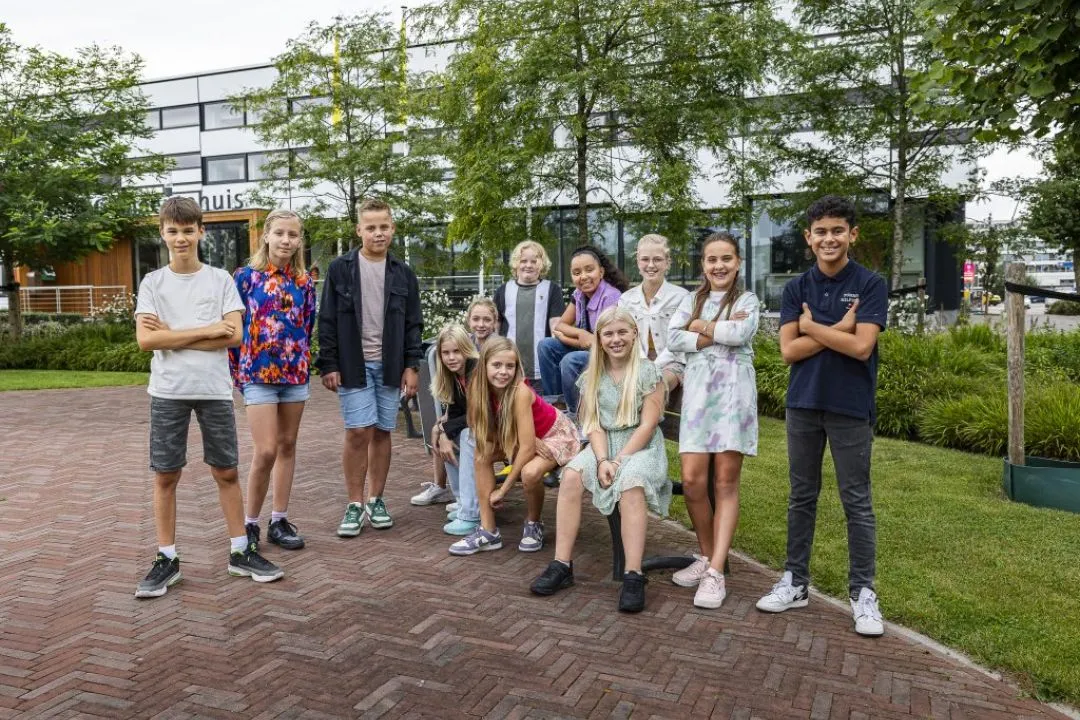

The South Holland city of Waddinxveen is the fastest-growing city in the Netherlands and today counts nearly 35,000 residents. 30% of them are under 25, and by 2050 that share will reach 40%. This demographic trend raised a pressing question for the city: how do you involve even the youngest residents in decisions about the future? Esther van Ellinkhuizen, staff member for cabinet affairs and child participation, explains how she does it.
%2520copy.webp)

In Rijswijk, a municipality of around 57,000 residents in South Holland, lies a place with a remarkable history. At Hof van Sion, archaeologists discovered the remains of a monastery dating back to the 15th and 16th centuries. Today, Hof van Sion is part of RijswijkBuiten, a sustainable new neighborhood. When the municipality decided to create a new community meeting place there, it asked residents what they wanted to see. They shared their ideas online using an interactive map.
Located just outside Amsterdam, Amstelveen is working with residents to create a greener, more welcoming, and more inclusive city. Through its online participation platform, residents can help shape long-term plans for the city, contribute to the design of new neighborhoods, and share ideas for smaller improvements that can make a visible difference in everyday life.