In its first eight weeks, Neckarsulm resolved more than 60 of the first 100 issues submitted through its Go Vocal-powered reporting tool. Residents can report a problem in minutes, follow its status, and receive an update when it is resolved. What may look like a simple service tool has become a practical way to make participation part of everyday life.
to measurable results: from go-live to real impact for residents and staff
resolution rate in the first two months
every report is automatically categorized, geotagged, and routed to the right team
Trust in local government is not shaped only at election time or in the council chamber. Everyday experiences matter too. Is the street outside your home well maintained? Does the light in the park work? Can your child play there safely?
A well-designed reporting tool makes it easy to take part. Residents can photograph a problem, add a short description, and send it directly to the city. For people who may never attend a public meeting, this can be one of the most immediate ways to contribute.
It can be easy to dismiss issue reporting as “not real participation.” But when residents report a problem, receive a response, and see action being taken, they learn that the city is listening. That experience can also shape whether they trust the city to listen when bigger issues arise.
When local governments talk about civic participation, many people first think of town halls, visioning processes, or participatory budgets. An issue reporter, a tool residents use to flag a broken streetlight or dumped trash, can look like a simple administrative aid by comparison.
Neckarsulm, a city of around 26,500 inhabitants, wanted to give residents a digital way to report local issues, but it also wanted those reports to connect with its wider participation work. When issue-reporting tools sit apart from other engagement channels, residents may have little visibility into what happens next, while staff rely on manual steps to route each report.
That raised a broader question: should reporting a cracked paving stone sit on the same platform as surveys, ideas, and public consultations?
Neckarsulm decided that it should. Its early results suggest the two belong together.
In early 2026, Neckarsulm decided to roll out one central digital participation platform, Neckarsulm mitgestalten, powered by Go Vocal. The issue reporter was one of the first projects to go live on the platform. The city also launched a photo contest, a consultation on a redevelopment area, and a proposal project to revitalize the city center.
Any Neckarsulm resident who spots a public issue can submit a geotagged photo through the platform. The platform automatically captures the location and the tool is optimized for mobile. The Urban Development and Building Department coordinates with the public works yard and gets all the relevant information at once: exactly where the problem is, what it looks like, and who reported it.
Automatic categorization and routing reduce manual handoffs and unnecessary back-and-forth. Once staff resolve the issue, they can update the status with one click, which triggers an automatic email notification. Reports remain publicly visible, making progress easier to follow and reducing duplicate submissions.
"Our issue reporter has made working with the public works yard and our departments noticeably easier. Reports come in geotagged and with photos, so the right team knows immediately where the problem is, without lengthy back-and-forth. It has been very well received internally. And the numbers back it up: in the first eight weeks, we'd already fully resolved more than 60 of 100 reported issues."
– Manuel Heer, Head of Urban Development and Building, City of Neckarsulm
What sounds like an internal efficiency gain also has an outward effect: residents who report an issue and then hear back that it's been fixed experience the city as capable of acting. That's not a small thing.
The reporting tool is only one entry point. On the same platform, Neckarsulm can run surveys, map-based consultations, idea collection, community proposals, and participatory budgeting.
Residents who first register to report an issue can later be invited into other participation processes. Over time, this helps the city build a broader base of participants and stay active between major consultations.
Neckarsulm started with a concrete, easy-to-understand format and deliberately kept the barrier to entry low. For local governments planning something similar, we recommend:

Janec Kohlschütter is DACH Regional Director at Go Vocal, helping cities and local governments across the German-speaking region design structured, effective civic participation.
Janec Kohlschütter is DACH Regional Director at Go Vocal, helping cities and local governments across the German-speaking region design structured, effective civic participation.
Janec Kohlschütter has spent years exploring how democracy and public governance can work in the digital age, and what local governments need to make that happen. Before joining Go Vocal, he worked as an in-house consultant for federal and state government and has seen the realities of the public sector firsthand. His studies in economics, philosophy, and political science form the academic foundation of his work.
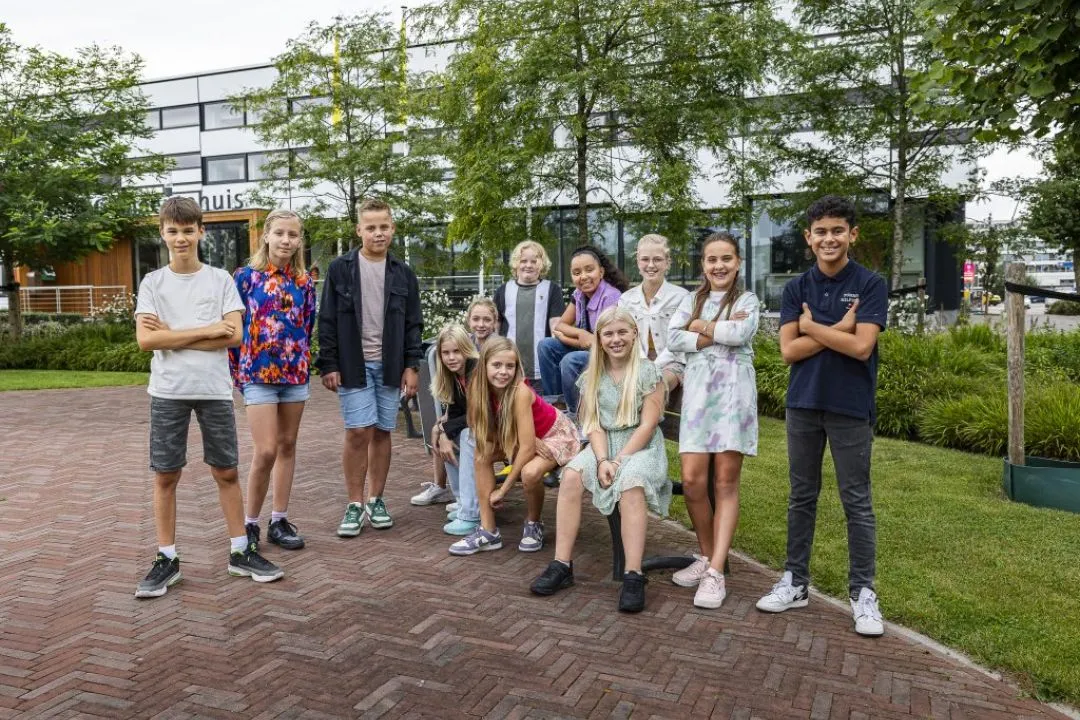

The South Holland city of Waddinxveen is the fastest-growing city in the Netherlands and today counts nearly 35,000 residents. 30% of them are under 25, and by 2050 that share will reach 40%. This demographic trend raised a pressing question for the city: how do you involve even the youngest residents in decisions about the future? Esther van Ellinkhuizen, staff member for cabinet affairs and child participation, explains how she does it.
%2520copy.webp)

In Rijswijk, a municipality of around 57,000 residents in South Holland, lies a place with a remarkable history. At Hof van Sion, archaeologists discovered the remains of a monastery dating back to the 15th and 16th centuries. Today, Hof van Sion is part of RijswijkBuiten, a sustainable new neighborhood. When the municipality decided to create a new community meeting place there, it asked residents what they wanted to see. They shared their ideas online using an interactive map.
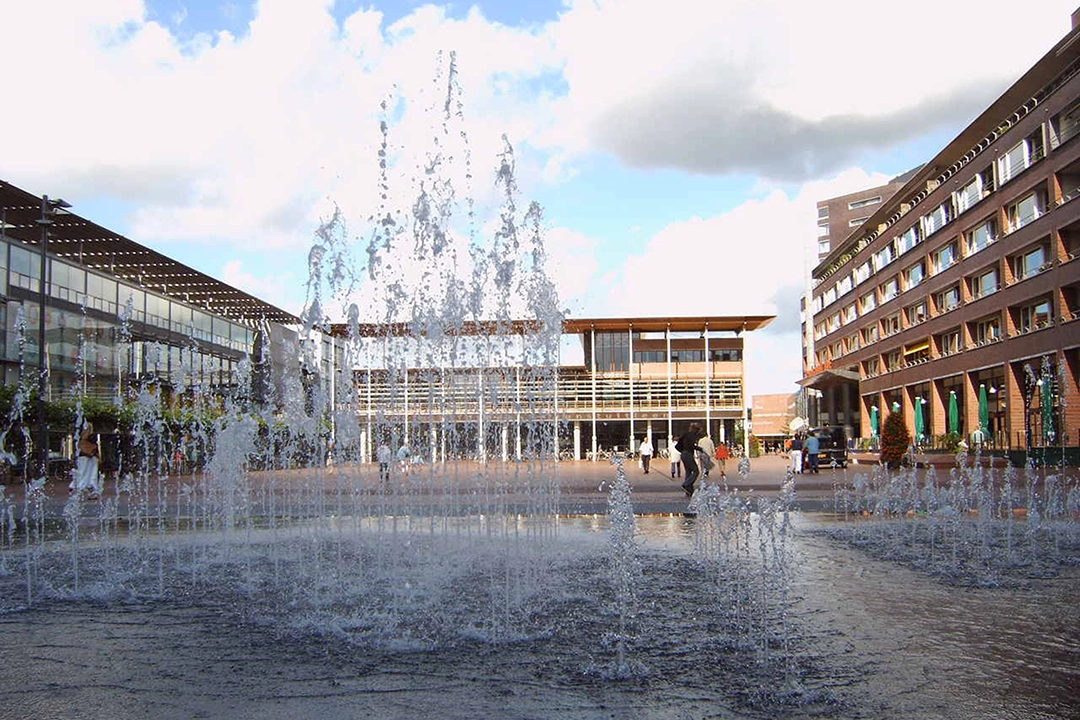
Located just outside Amsterdam, Amstelveen is working with residents to create a greener, more welcoming, and more inclusive city. Through its online participation platform, residents can help shape long-term plans for the city, contribute to the design of new neighborhoods, and share ideas for smaller improvements that can make a visible difference in everyday life.