
On the edge of Paris in Val-de-Marne, Charenton-le-Pont is a quiet city of 31,000 residents. Sitting where the Marne meets the Seine, right by the Bois de Vincennes, it has everything it needs to become a hub for cycling and other active mobility. And what better way to get there than consulting residents to co-build a well-oiled bike plan?
Residents contributed to the development of the city’s bike plan.
The project collected ideas, votes, and comments across several activities.
Residents could take part through surveys, collaborative maps, online activities, and neighborhood workshops.
When Charenton-le-Pont began developing an ambitious local bike plan, the city chose to involve the people who knew its streets best. More than 500 residents took part through La Fabrique Citoyenne, Charenton's online community engagement platform, sharing how cycling around the city could become safer, easier, and more accessible.
"What kind of city do we want to live in and see our children grow up in? The environmental emergency and the changes affecting our lives, both collectively and individually, are pushing us to rethink how we live together and move around every day. Adapting our city has become essential if we want cycling to be healthier, safer, and accessible to everyone."
— Aurélia Girard, City Councilor for the Ecological Transition
Cycling as an everyday form of transportation brings environmental, health, and economic benefits. It produces no direct emissions, supports physical and mental well-being, and can offer more predictable journey times, even during rush hour. It is also an affordable form of transportation that can support quality local jobs.
Charenton-le-Pont had already been encouraging cycling through a range of measures, including new bike lanes, shared Vélib’ bicycles, financial support for buying and repairing bikes, repair workshops, and cycling lessons for children.
The next step was to develop a citywide bike plan together with residents and other people who use its public spaces.

“For Charenton-le-Pont to remain a city where people enjoy living and to continue its commitment to sustainable development, we need to make room for the growing role of cycling. And we will do that together with the people of Charenton. Over recent months, the city has used its community engagement tools to open up the conversation about cycling.”
— Fabien Benoit, City Council Member for Participatory Democracy, Citizenship, Secondary Education, and Digital Affairs
The goal of the bike plan was to make it easier to cycle within Charenton-le-Pont and connect more effectively with the wider Paris metropolitan area.
The city wanted to create a denser, more connected cycling network, improve safety and continuity for cyclists, and help pedestrians, cyclists, and drivers share public space more comfortably.
To involve the different people affected by these decisions, the city launched “Charenton activates its bike plan!” on La Fabrique Citoyenne, its Go Vocal-powered engagement platform.
The project covered several aspects of cycling, including routes, street design, signage, parking, maintenance and repair, safety, and education.

Here's how the process unfolded:
A technical assessment
A steering committee and a technical committee carried out an on-the-ground assessment before the project began, to map existing infrastructure and identify the most relevant areas to serve.
An initial survey
In early 2021, an initial survey asked residents about mobility, and cycling in particular. Strong participation showed these topics had a real place in the local debate. The survey also surfaced residents' main concerns: how clear signage and infrastructure were, how continuous the network felt, safety, parking, and shared services.
To carry out this participatory phase and make sure everyone felt ownership of it, the city offered several modules with varied topics and methods:
A quiz to inform
A series of questions on cycling habits, signage, main routes, cycling infrastructure, and more.
Participatory workshops throughout the summer
From July 3 to September 18, residents were invited to workshops, both online and out in the neighborhoods, including five street-side sessions with elected officials, to ask questions and share their views on cycling infrastructure and how public space is shared across all forms of mobility.
A consultation with an ideas map
The theme: "Use of public space: got an idea?" Residents were invited to pin locations on a map they wanted to see improved and how, then like and comment on each other's ideas.
A collaborative map for repair stations
Participants could suggest locations for future repair and inflation stations, then like and comment on each other's suggestions.
A collaborative map for bike racks
Cyclists could suggest locations for future bike racks. Each participant could submit up to three suggestions, then vote for one of the 14 shortlisted options in the final phase.
A multi-pronged approach, then, designed to reach as many residents as possible and let them share their views and ideas. The participatory phase of the citywide bike plan wrapped up on September 30.
Residents' contributions are being analyzed and will feed into the city's final plan. Results will be shared with all participants and users on the civic participation platform. This citywide bike plan will build on and improve existing cycling infrastructure, and the Val-de-Marne department will also be involved in developing the routes under its own authority.
It's still a bit early to draw firm conclusions on the results. But more than 1,200 visits and close to 800 registrations on the online participation platform, across the bike plan and the launch of the neighborhood councils, are very encouraging signs that Charenton residents want to get involved in issues that affect their everyday lives. Charenton's bike plan received close to 400 contributions (ideas, votes, and comments).
Mobility and sustainability are important challenges, and civic participation is an excellent way for local governments to tap into collective intelligence, shape relevant policy, and reassure residents.
Looking ahead, building on this experience with the citywide bike plan, Charenton hopes to go even further in co-building the city with its residents, including by rolling out a participatory budget through its La Fabrique Citoyenne platform.
Before opening the participation process, a steering committee and technical team assessed existing cycling infrastructure and identified the main destinations the future network would need to connect.
At the beginning of 2021, the city surveyed residents about transportation and cycling.
The strong response confirmed that cycling and mobility mattered to the local community. It also highlighted residents’ main concerns, including unclear signage, gaps in the cycling network, safety, parking, and shared services.
The city used several engagement methods to help people understand the topic and contribute in different ways.
Residents could answer questions about cycling habits, signage, major routes, and cycling infrastructure. The activity helped people learn more about the subject before sharing their views.
Between July 3 and September 18, residents were invited to take part in online workshops and activities in different neighborhoods.
The city also organized five street workshops with elected representatives, where people could ask questions and discuss cycling infrastructure and how different forms of transportation should share public space.
Residents used a collaborative map to identify places they wanted to see improved and explain what should change. They could also support and comment on suggestions made by others.
Participants suggested locations for future bicycle repair and inflation stations, then voted and commented on the proposals.
Cyclists could also suggest where new bike racks should be installed. Each participant could submit up to three locations before voting on a final shortlist of 14 options.
By combining different topics and participation formats, the city gave more people a way to contribute. The participatory phase of the bike plan ended on September 30.
The city analyzed the contributions and used them to inform the final bike plan. Results and updates were shared with participants through La Fabrique Citoyenne.
The plan was designed to improve and expand the cycling infrastructure already in place. The Val-de-Marne Department would also be involved in changes affecting roads under its responsibility.
The platform received more than 1,200 visits and nearly 800 registrations during the bike-plan process and the launch of the city’s neighborhood councils. The bike-plan project itself collected almost 400 ideas, votes, and comments.
These results showed that residents were willing to contribute to topics that directly affected their everyday lives.
Transportation and sustainable development involve complex choices. By bringing local experience into the process, community engagement can help cities develop stronger policies, identify practical concerns, and give residents greater confidence in the decisions being made.
Following the bike-plan process, Charenton-le-Pont hoped to continue involving residents in shaping the city, including through a future participatory budget on La Fabrique Citoyenne.


Sören is a fervent tech enthusiast with a profound interest in politics and democratic innovation.He aims to share stories that inspire and drive impactful community engagement.
Sören Fillet is Go-to-Market Lead at Go Vocal and holds a master’s degree in public sector communications.
With 5+ years of experience in GovTech, Sören has developed a nuanced perspective on the challenges and best practices in democratic participation. He actively collaborates with experts in the field to organize industry events and stay at the forefront of trends and innovation.
In addition, Sören obtained a certificate from Innovation in Politics, further solidifying his expertise in innovative governance.
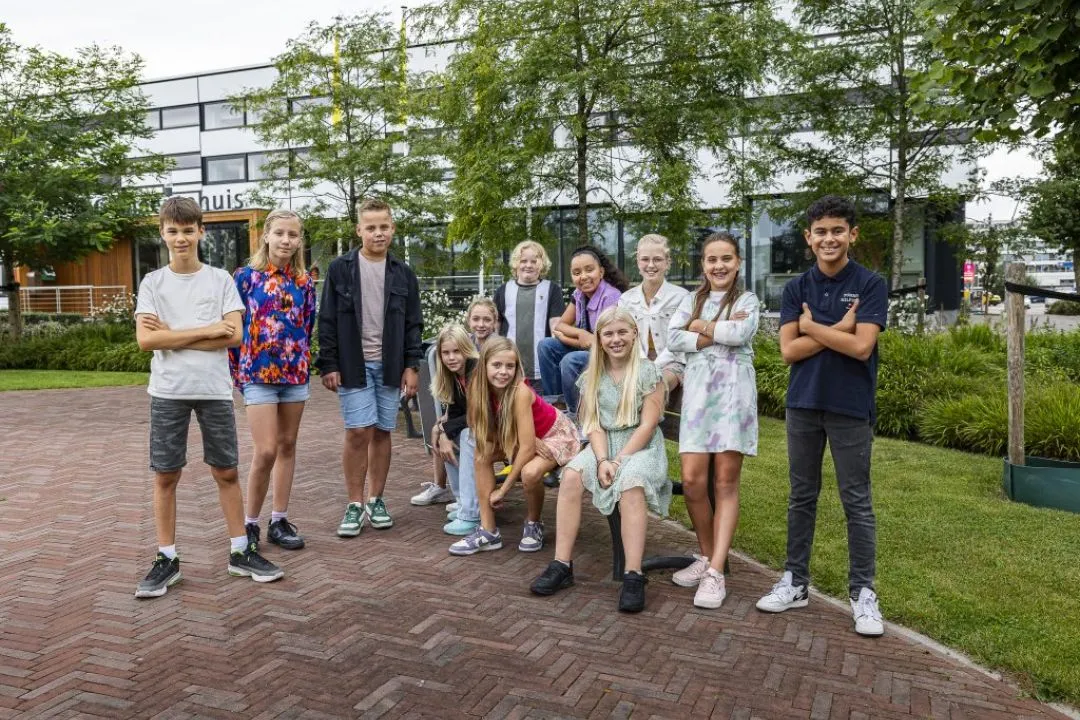

The South Holland city of Waddinxveen is the fastest-growing city in the Netherlands and today counts nearly 35,000 residents. 30% of them are under 25, and by 2050 that share will reach 40%. This demographic trend raised a pressing question for the city: how do you involve even the youngest residents in decisions about the future? Esther van Ellinkhuizen, staff member for cabinet affairs and child participation, explains how she does it.
%2520copy.webp)

In Rijswijk, a municipality of around 57,000 residents in South Holland, lies a place with a remarkable history. At Hof van Sion, archaeologists discovered the remains of a monastery dating back to the 15th and 16th centuries. Today, Hof van Sion is part of RijswijkBuiten, a sustainable new neighborhood. When the municipality decided to create a new community meeting place there, it asked residents what they wanted to see. They shared their ideas online using an interactive map.
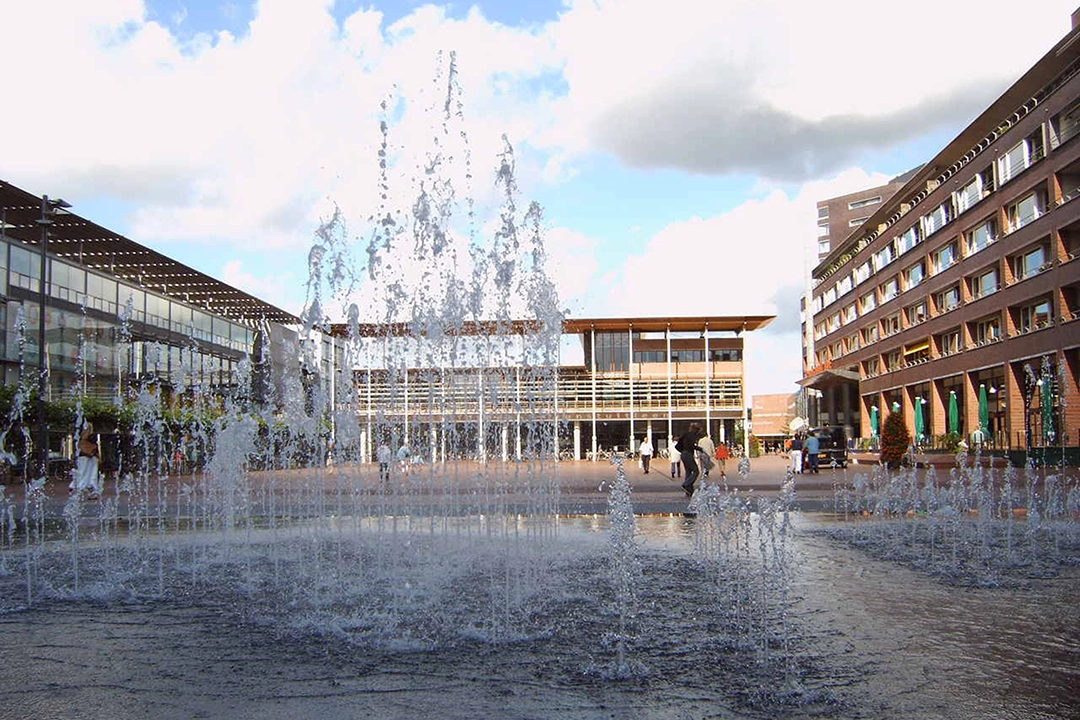
Located just outside Amsterdam, Amstelveen is working with residents to create a greener, more welcoming, and more inclusive city. Through its online participation platform, residents can help shape long-term plans for the city, contribute to the design of new neighborhoods, and share ideas for smaller improvements that can make a visible difference in everyday life.