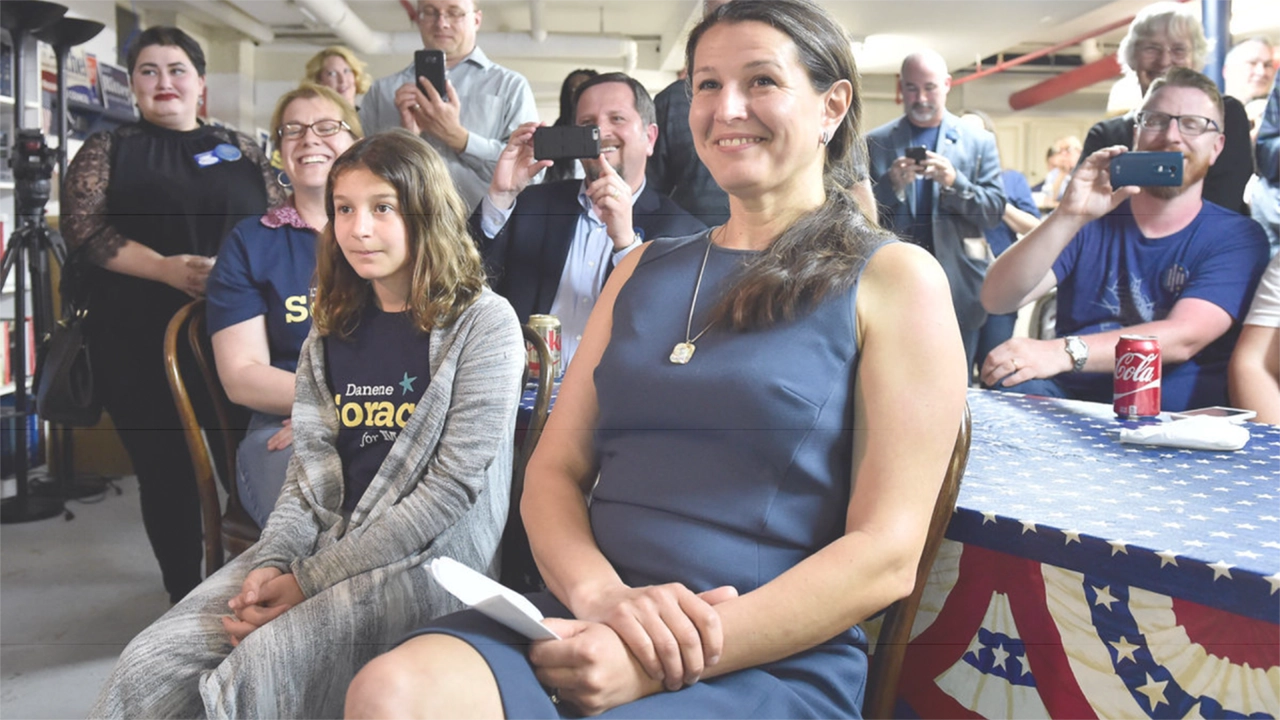


During our recent Go Vocal Global Meetup in The Hague, we set aside time for something simple but essential: listening.
We invited a group of participation experts from Dutch municipalities of different sizes—Lucas (Leiden), Nancy (Pijnacker-Nootdorp), Janneke (Noordwijk), Eileen (Maassluis), and Pablo (Kaag & Braasem)—to an open roundtable on citizen engagement. The goal was to better understand their reality: what’s working, what’s challenging, and what’s changing.
What followed was an honest and grounded conversation about the day-to-day of participation.

Participation grows through consistency, not campaigns
Participation doesn’t hinge on one successful project. It builds over time.
Across municipalities, the same pattern emerged: repeated efforts, increasing visibility, and gradual adoption across teams and residents.
As Nancy (Pijnacker-Nootdorp) explained, it’s not about a single breakthrough moment:
“It’s an accumulation of things. Over time, people start to know what the platform is.”
This long-term build-up is what turns participation into something familiar—and eventually, expected.
In Leiden, this is already visible in how residents engage. Neighbourhood councils don’t just participate; they take initiative themselves, using the platform to organize local actions. Lucas described how this shifts the dynamic: residents move from contributors to co-creators.
At the same time, smaller, tangible projects can play an important role in building momentum. In Maassluis, a project on selecting the design of a new bridge attracted over a thousand votes in a city of 37,000 inhabitants, and it was picked up by local media. Beyond the numbers, it created internal energy. Eileen shared:
“It was small and fun, but it really showed what participation can do.”
Polarization is part of the landscape
Participation doesn’t happen in a neutral environment. It sits within broader societal tensions—and municipalities feel that every day.
Topics like mobility, spatial planning, or housing quickly become polarized. And the voices that dominate public debate are not always representative.
Rather than reacting to the loudest voices, teams are trying to shift the conversation—focusing on broader perspectives and engaging earlier in the process.
That timing is key. As Janneke (Noordwijk) noted, involving people too late limits the value of participation:
“We try to involve people from the very start, not only when decisions are almost made.”
For more sensitive topics, format matters just as much as timing. Nancy (Pijnacker-Nootdorp) shared how smaller, in-person discussions made a real difference:
“In large groups, people don’t speak up. In smaller settings, they do.”
Participation doesn’t eliminate polarization—but it can help structure it, surface different perspectives, and create space for dialogue.
From optional to expected: the impact of mandates
Participation is increasingly formalized through policies and legal frameworks. In the Netherlands, the participatieverordening is requiring municipalities to formalize participation in policy processes. For many teams, this is a turning point.
On the positive side, it strengthens their position internally. Participation is no longer seen as an add-on, but as part of how municipalities operate. As Lucas explained:
“In the past, participation was something extra. Now it helps us get a seat at the table.”
At the same time, this shift comes with a risk.
When participation becomes mandatory, it can easily turn into a procedural step—something to “tick off” rather than truly invest in. Janneke captured this tension:
“We need to be convincing to go beyond that. It’s not just about creating a survey, but combining participation methods and making sure we talk about different engagement stages and close the feedback loop.”
The challenge, then, is not just to comply, but to maintain quality. That means being clear with residents about what participation entails, and what will (and won’t) be done with their input.
As Nancy put it, it’s about setting expectations:
“You need to make a clear promise—this is how we work, and what you can expect from us.”
Doing more with less: shrinking budgets and proven ROI
Limited resources remain a constant across municipalities. Participation is often funded indirectly, through project budgets or shared with communication teams, and is frequently questioned.
Eileen (Maassluis) described a situation many will recognize:
“I don’t have my own budget. I always have to prove that my projects are helpful, that participation works.”
This creates a difficult balance. Teams want to improve quality and inclusiveness, but time and budget constraints force trade-offs.
In some cases, the challenge isn’t just budget. When residents participate, they want to see results and their input implemented as soon as possible. As Pablo (Kaag & Braasem) pointed out, especially in smaller municipalities:
“You can launch a very nice project, but expectations about outcomes and timelines are the real challenge.”
What helps move things forward are concrete examples of impact. Successful projects, especially visible ones, can shift internal perception and build momentum. Eileen noted:
“You need a strong story—something that spreads. Then you can use it as en example to show that the time and budget invested are truly worth it.”
Representativeness requires active effort
Reaching a representative group of residents remains one of the most persistent challenges: how do you make participation both inclusive and sustainable?
Participation often attracts those who already have the time, resources, or interest to engage. In Leiden, participation rates are relatively high—around 10%. However:
“You see a lot of participants from from the same neighbourhoods, normally wealthier areas.”
To counter this, municipalities are combining different approaches: targeted outreach, partnerships with local organisations, and dedicated groups such as youth councils or international panels.
At the same time, there is no single agreed approach when it comes to lowering barriers. Some municipalities prioritise accessibility above all—allowing people to participate without registering. Others focus on building a more engaged base of registered users they can reach over time.
AI is shifting how teams spend their time
A more practical but significant shift discussed during the roundtable was the role of AI in analysing participation input. For many teams, processing contributions used to be one of the most time-consuming parts of the job.
Nancy described the difference clearly:
“I used to spend three days analysing responses. Now it’s done in minutes.”
The impact goes beyond efficiency, it changes how teams can allocate their time. Even though it depends on the resources available, new digital tools can shape the ways of working of engagement officials. Instead of being absorbed by analysis, teams can focus more on engagement, interpretation, and follow-up—areas where human interaction matters most.
A shared direction, even without a single solution
What stood out most from the discussion is that there is no single model for participation. Each municipality is navigating its own context—different political realities, resources, and communities. But there is a shared direction.
Participation is becoming more continuous, more embedded in processes, and more visible across organisations. Not as a one-off project, but as an ongoing practice.
Or, as Eileen summed it up:
“You need to show that people have good ideas. That’s what makes the difference.”
And that shift starts with listening—both to residents, and to the people working closest to them.
Our speakers

Lucas van Mil – Participation and Communication Advisor
Municipality of Leiden (130k residents)
Using Go Vocal since: 2019
Highlighted project: empowering neighbourhood councils to run their own initiatives on the platform, from local clean-ups to community-led ideas.

Nancy Heemskerk - Participation advisor
Municipality of Pijnacker-Nootdorp (58k residents)
Using Go Vocal since: 2023
Highlighted project: more an approach than a project. The aim was to build participation over time by creating one central place for all participation—driving gradual adoption across both residents and internal teams.
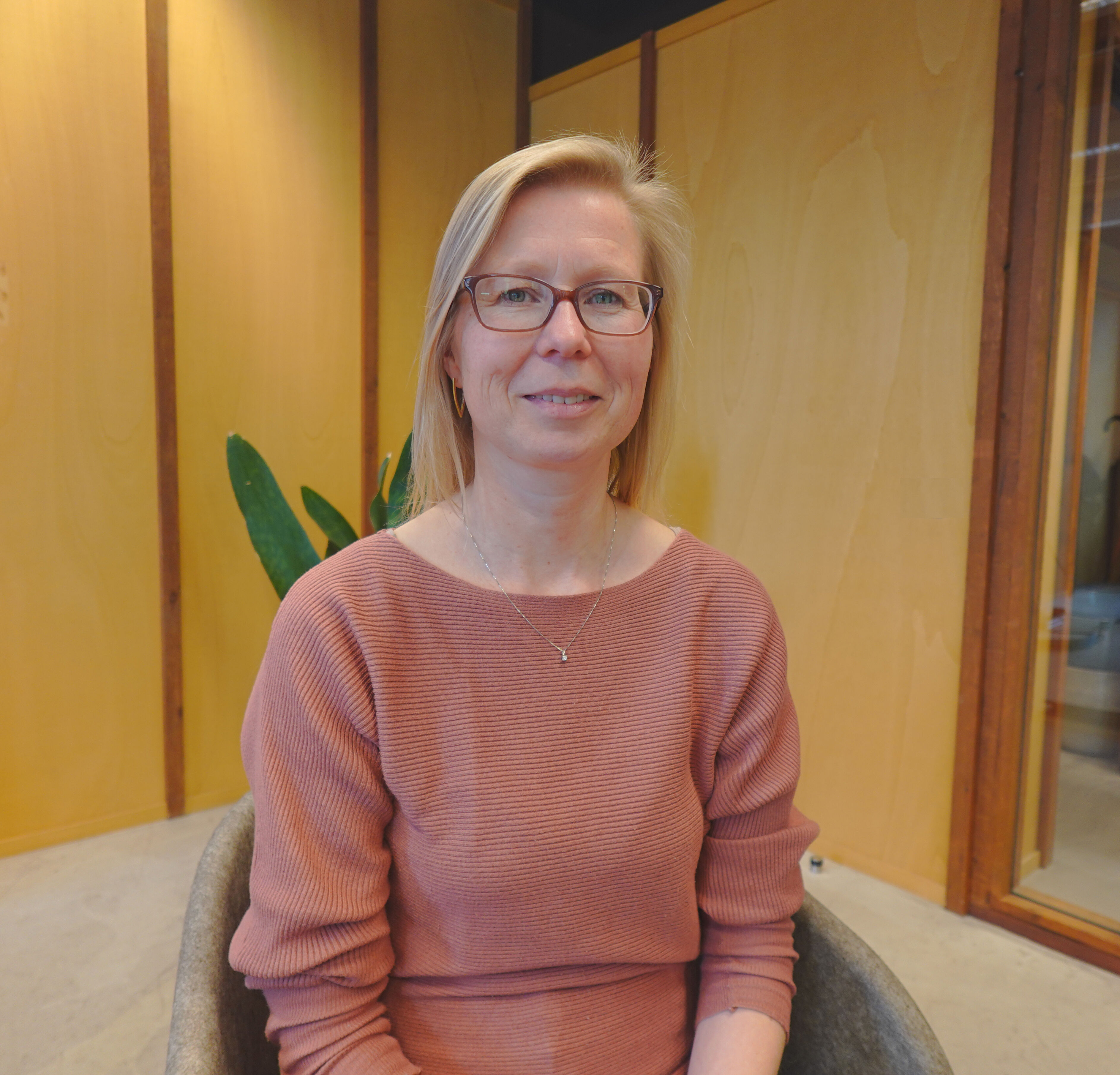
Janneke Altorf - Participation officer
Municipality of Noordwijk (48k residents)
Using Go Vocal since: 2020
Highlighted project: a hybrid (online + offline) consultation on a newcomers centre, helping map public opinion on a sensitive topic before decision-making.

Eileen Spaans - Participation advisor
Municipality of Maassluis (37k residents)
Using Go Vocal since: 2022
Highlighted project: a city-wide vote on the design of a new bridge, generating over 1,000 votes and strong local engagement, with a commitment to implement the winning design.

Pablo Meegdes - Communication advisor
Municipality of Kaag & Braasem (29k residents)
Using Go Vocal since: 2025
Highlighted project: annual participation projects inviting residents to suggest locations for more greenery via map-based input, with multiple ideas implemented across the municipality.


.jpg)