



In an era where democratic values are constantly evolving, resident initiatives have emerged as powerful tools for engaging communities and influencing public policies. These initiatives enable residents to take an active role in decision-making processes, ensuring that policies reflect the needs, desires, and concerns of the people they impact.
Citizen participation is essential for maintaining healthy democracies. It offers a space where individuals can be heard, whether through local or global movements. These projects allow people to connect directly with policymakers, bypassing traditional barriers and creating opportunities for greater democratic engagement.
In our digital world, participation is simpler than ever: online platforms allow people to easily connect with their neighbors locally, or even with citizens that have similar concerns on a regional, national, or global level. By allowing residents to propose, debate, and vote on issues that matter most to them, these platforms foster inclusivity and transparency, bridging the gap between local governments and their communities.
When communities are given a voice, they feel more empowered to contribute to the collective well-being, ultimately driving positive social change.
The momentum generated by these initiatives often sparks a ripple effect, encouraging more citizens to get involved and ensuring that policies evolve with the needs of the people.
Let’s take a look at some of these powerful initiatives and how they have helped decision-makers better understand the needs of their communities.
1. My Voice, My Choice (EU)
This European Citizens' Initiative advocates for safe and accessible abortion rights across the European Union. The campaign successfully gathered over 1.2 million signatures, pushing for legislative action to guarantee reproductive rights in the EU. It empowers citizens to directly influence EU policy, making a tangible impact on human rights discussions in Europe.
2. Copenhagen (Denmark)
Copenhagen’s participatory model encourages citizens to co-create solutions for urban challenges like mobility, sustainability, and inclusivity. Through online platforms, residents can propose ideas, vote on projects, and collaborate with local authorities. This initiative ensures that the city's development reflects the needs of its diverse population. In one of its projects, over 12,000 residents helped shape the city’s green spaces, ultimately contributing to the development of a new park in the city center. The park now serves as a hub for outdoor activities, improving both environmental sustainability and quality of life for local residents.
Case Study: How Copenhagen got 12,000 residents to participate in large-scale Proposals project in just 4 months
3. St. Louis (USA)
St. Louis actively engages its citizens in the decision-making process through the initiative “Speak Up, St. Louis!”. It allows residents to share ideas with elected officials, connect with their neighbors, and understand better the policies and projects that are happening in the city. By giving residents a direct voice, St. Louis has strengthened its community ties and improved governance through citizen-led contributions.
Case Study: St. Louis involves 16,000+ residents in the allocation of settlement fund
4. Manabalss (Latvia)
As a non-governmental and non-profit organization, Manabalss’ (which means “MyVoice” in Latvian) mission is to allow citizens to participate in democratic processes through online engagement tools, strengthening the digital democracy ecosystem in Latvia and the world. With over 200,000 active users, Manabalss serves as a powerful tool for direct democracy, enabling citizens to shape laws on topics ranging from environmental protection to social welfare.
5. Bourgoin-Jallieu (France)
Bourgoin-Jallieu uses the "Je Participe" platform to engage citizens in shaping their community. This participatory platform allows residents to propose ideas, vote on existing proposals, and collaborate with local authorities on a range of projects. It’s an important tool for fostering direct dialogue between the city’s residents and its policymakers, ensuring that community input plays a role in urban planning, environmental policies, and community initiatives.
6. Vancouver (Canada)
With the “Shape Your City” platform, Vancouver engages residents in urban planning, policy development, and sustainability initiatives. The platform has been used to gather feedback and prioritize projects such as the city's transportation network, including the expansion of bike lanes and pedestrian pathways. Vancouver's Transportation 2040 Plan outlines how the city aims to become a more sustainable, bike- and pedestrian-friendly city, aligning with community input. For example, over 400 kilometers of bike lanes have been created or upgraded through such initiatives, with direct community input through “Shape Your City” helping to guide these developments.
7. Linz (Austria)
Linz’s online platform allows residents to engage in public discussions and vote on a range of civic issues. A significant outcome was the redevelopment of the city’s central square, which prioritized accessibility and public spaces. The project was based on direct citizen feedback, with over 3,000 individuals contributing to the planning process. This initiative has made Linz a model for participatory urban planning.
Case Study: Citizen Proposals in Linz
8. Oosterhout (Netherlands)
The “DoeMee” platform in Oosterhout has helped residents engage with local governance, focusing on projects like improving public facilities and urban development. One notable outcome was the creation of a community center that provides services for young people and elderly residents alike. Through this participatory process, Oosterhout’s citizens have been able to guide the development of spaces that address their community’s diverse needs.
Case Study (in Dutch): Organizing Bottom-up Participation: The Lessons from Oosterhout
9. Jalisco Participa (Mexico)
“Jalisco Participa” is a platform designed to foster public engagement and participation in shaping the state's policies on various issues, including health, education, and the environment. Through this platform, citizens contribute to discussions, propose solutions, and vote on initiatives that affect the region. One tangible outcome of the platform’s influence is the state’s initiative to improve water management, where citizens have provided feedback on local water conservation policies. This has led to significant improvements in the management of Jalisco’s water resources, a priority for the region due to frequent droughts.
10. Roskilde (Denmark)
Roskilde has been using the “VisKaber” platform to engage citizens in sustainability initiatives, particularly in the realm of green energy. The platform allows residents to submit ideas and vote on local projects, ensuring that the community is actively involved in shaping the city’s environmental policies. One significant initiative that emerged through the platform was a community-driven green energy project aimed at reducing the city’s carbon footprint. This initiative is part of Roskilde's broader commitment to sustainability, which includes various energy-efficient projects funded and supported through citizen participation.
Connecting residents with policymakers: the global movement
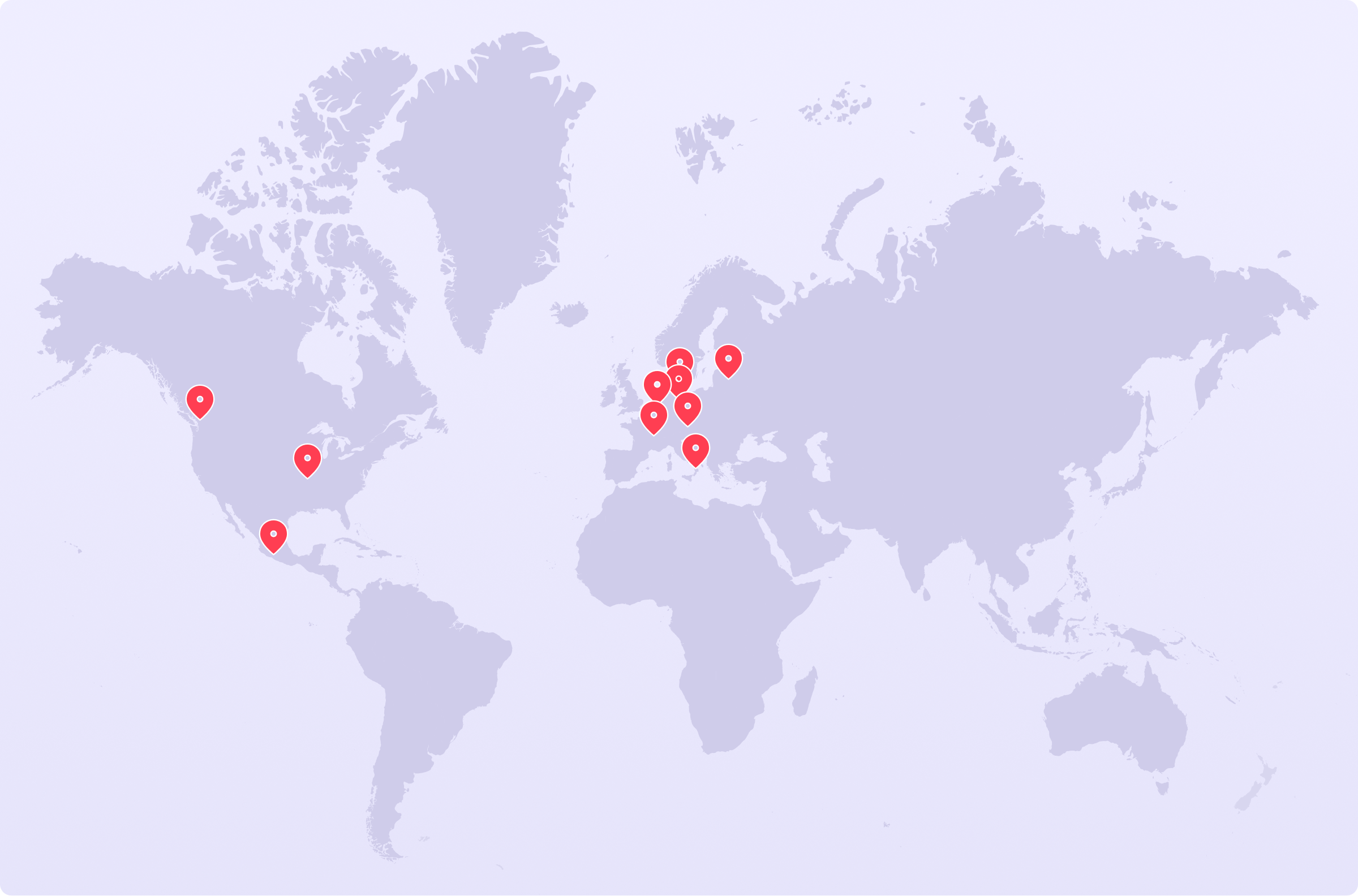
As these examples demonstrate, citizen initiatives are reshaping the way governments connect with their communities. From Europe to North America, and beyond, these digital platforms are empowering people to directly influence public policies. The rise of these initiatives is not just a trend—it is part of a global movement toward more participatory and accountable governance. Institutions across the world are realizing the value of listening to their citizens and involving them in decision-making processes. The growing momentum behind these initiatives, as seen in the global map of platforms, shows how far-reaching the impact of citizen participation can be, inspiring other municipalities eager to embrace this shift.
If you're interested in learning how GoVocal can help amplify community participation in your municipality, we invite you to book a demo with us. Our platform is designed to make it easy for governments to involve their residents in shaping policies, boosting transparency, and creating lasting change. Together, we can build a more engaged, informed, and inclusive future for your community.




.jpg)