



Localized flooding and poor stormwater drainage can significantly disrupt communities, causing problems from road and property damage to safety issues due to hydroplaning. In a city like Lancaster, stormwater management is particularly important as they run on a combined sewer system, meaning it collects and transports both domestic sewage and rainwater from the City’s storm drains into a single system of pipes – meaning, these pipes have a lot of work to do! As part of their collaboration with the Environmental Protection Agency (EPA) on their larger Green Infrastructure project, the City of Lancaster is seeking to improve their community’s stormwater management quality.
The engagement platform helped collect 20 priorities from residents for the Combined Sewer Overflow control plan and pollution of the Conestoga River.
A mapping tool was used to collect data from affected residents, allowing officials to pinpoint and prioritize specific localized flooding and drainage pain points.
Resident input and ideas for Landis Drive led directly to a conceptual plan and the ongoing construction of underground stormwater trenches.
Stormwater issues affect communities differently, and with climate change this is an evolving problem that requires governments to have a detailed understanding of the different flood risks in near-real time so that they can prepare for the next storm surge. To gather this information, they turned to their residents. The City is using their community engagement platform, Engage Lancaster, to ask their residents directly via our mapping tool and ideation tools for priorities and pain points to address via two projects.
As part of Lancaster’s combined sewer system, all waste water and sewage is sent from various drains into a single system of pipes where it is treated and discharged into the Conestoga River. To address overflows and river pollution, the City of Lancaster reached a decree with the EPA to develop a long-term control plan to keep the Conestoga River clear. How would the City do this? In part, by including a public participation plan to educate and collaborate with the affected communities.

Their plan consists of three main phases: Preliminary Planning, Identification and Evaluation of Alternatives, and Selection of Preferred Alternatives, each of which is followed by a public participation phase on Engage Lancaster that allows the community to ask questions and provide ideas to improve the plan.
The project launched on Engage Lancaster with contextual and background information in the Preliminary Planning phase, then opened up the Public Engagement phase to collect comments and feedback from residents on the proposed plan to address the sewage overflow. These ideas were then reviewed by the involved team and used to inform and develop the next phase of the process.
Each digital engagement phase also maps to an in-person public meeting, allowing Lancaster’s team to reach multiple audiences as well as create continued engagement opportunities for people to follow-up outside of the individual meetings. With 20 priorities collected so far, Lancaster has been able to effectively communicate with its residents by sharing direct responses to every comment made.
Lancaster is currently in phase two of this project, and will use this platform throughout the process to create continuous feedback loops until the final release of their plan in February 2023.
While tackling water/sewage management in Lancaster, the city is also diving into their neighborhoods that have been facing specific pain points in stormwater management, including localized flooding and erosion. Let’s take a look at Landis Drive.
Using our mapping tool on Engage Lancaster, the City was able to mark the specific area and request feedback from the affected residents who are living through these flooding and drainage pain points day-to-day. Participants could mark exactly where they faced stormwater issues that correspond to their comments, making it easier for local officials to pinpoint and prioritize those areas when creating improvement plans.

Utilizing this form of public engagement, residents provide unique value to city officials with their direct perspective on the issue at hand. After analyzing the input from the residents of Landis Drive, the city created a conceptual plan which was translated into an engineering plan for improvements, including underground trenches along Landis Drive, to collect and store stormwater under the road. The stormwater will then slowly soak into the ground, helping to recharge the groundwater filter.
The stormwater improvements that Landis Drive residents gave input and ideas for projects that are currently under construction, with cleaner and safer roads coming soon!


Natalie has a keen interest in public sector innovation. She explores transformative ideas that improve civic engagement and make governance more inclusive, transparent, and forward-thinking.
Sarah Horton is the Director of North America at Go Vocal. Sarah partners with local governments all across North America to advise them on cultivating a genuine culture of community engagement and making decision-making more inclusive. Before joining Go Vocal, Sarah was the Chief Operating Officer at Vidaloop, a company that created a mobile voting system to improve voter accessibility for underserved communities.
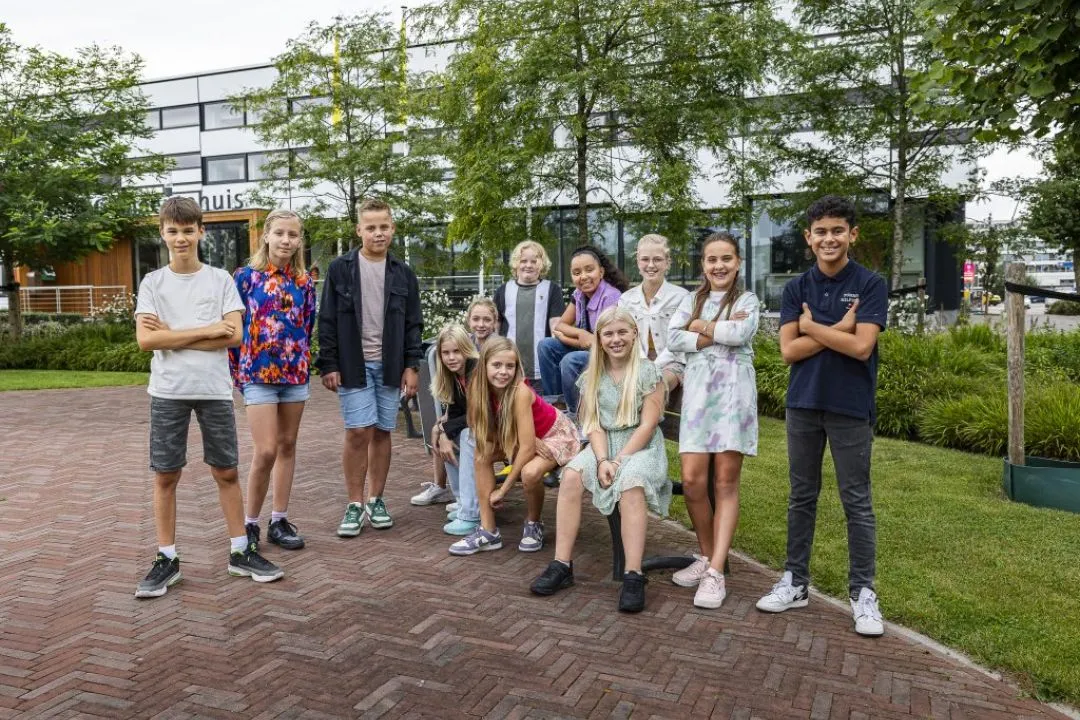

The South Holland city of Waddinxveen is the fastest-growing city in the Netherlands and today counts nearly 35,000 residents. 30% of them are under 25, and by 2050 that share will reach 40%. This demographic trend raised a pressing question for the city: how do you involve even the youngest residents in decisions about the future? Esther van Ellinkhuizen, staff member for cabinet affairs and child participation, explains how she does it.
%2520copy.webp)

In Rijswijk, a municipality of around 57,000 residents in South Holland, lies a place with a remarkable history. At Hof van Sion, archaeologists discovered the remains of a monastery dating back to the 15th and 16th centuries. Today, Hof van Sion is part of RijswijkBuiten, a sustainable new neighborhood. When the municipality decided to create a new community meeting place there, it asked residents what they wanted to see. They shared their ideas online using an interactive map.
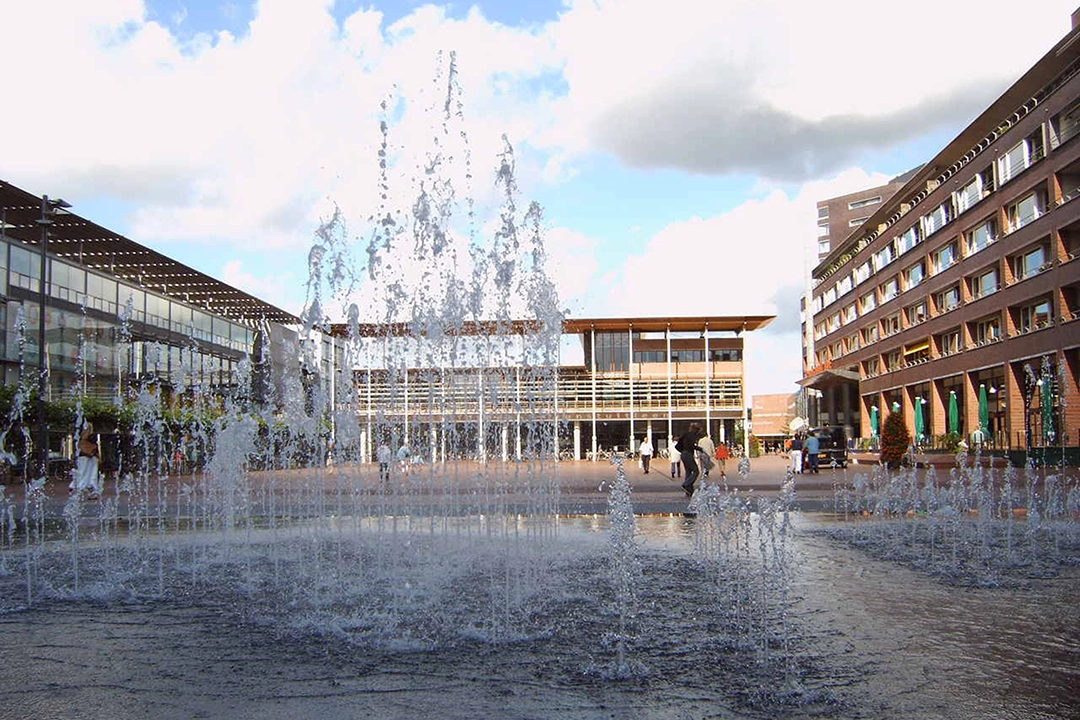
Located just outside Amsterdam, Amstelveen is working with residents to create a greener, more welcoming, and more inclusive city. Through its online participation platform, residents can help shape long-term plans for the city, contribute to the design of new neighborhoods, and share ideas for smaller improvements that can make a visible difference in everyday life.

